
Physician-led consultation
Ayurvedic Consultation for Cervical Spondylosis Online with Dr. Bali
Last updated
Physician-led Ayurvedic consultation for cervical spondylosis, involving a detailed review of your neck pain and stiffness, movement patterns, medical history, previous investigations, daily routine and individual Ayurvedic profile.
Cervical spondylosis refers to age-related changes affecting the structures of the neck, including the bones, discs and joints of the cervical spine. Dr. Arvinder Singh Bali begins by understanding your symptoms, when they started, how they relate to movement and activity, previous diagnoses and investigations before discussing the Ayurvedic perspective and appropriate next steps for your individual situation.

Dr. Arvinder Singh Bali, BAMS · 22+ Years of Clinical Practice · 3,00,000+ Patients
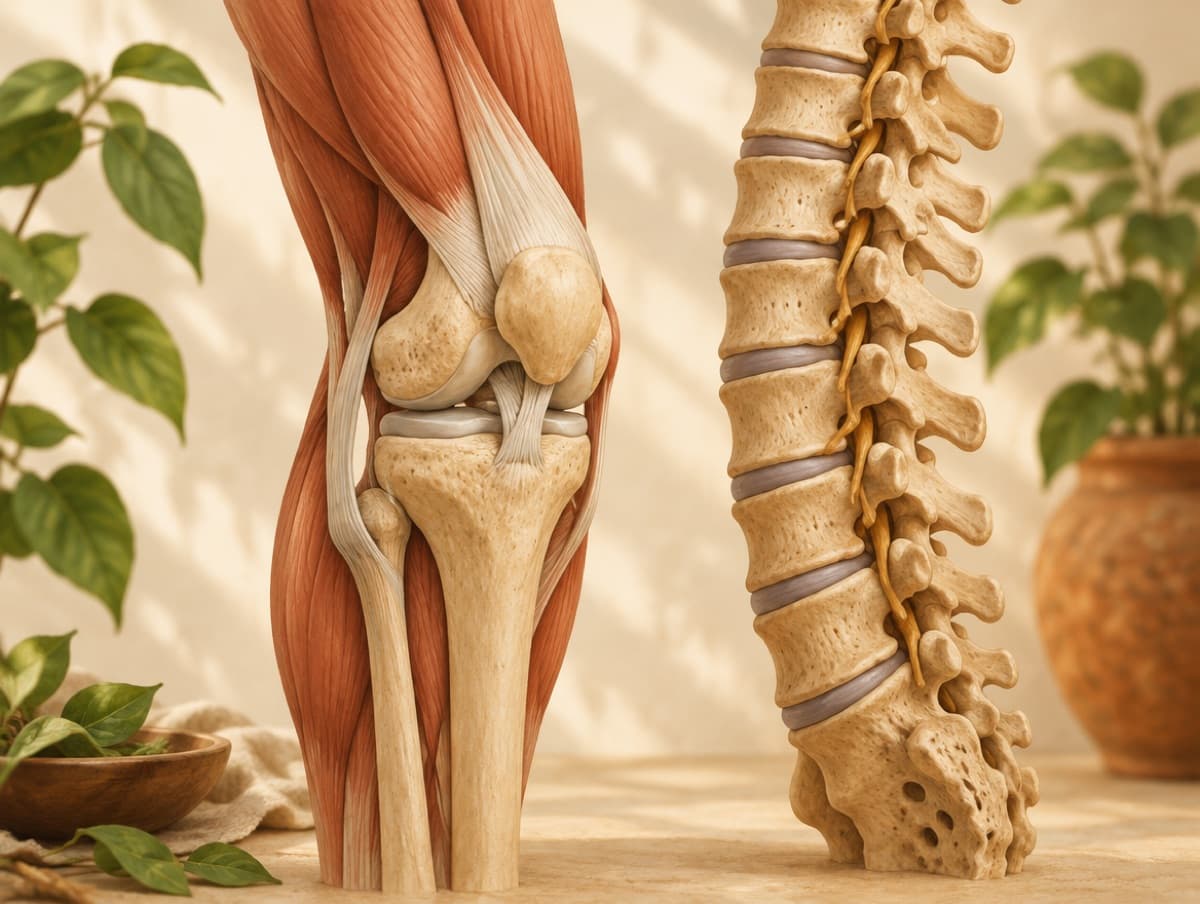
What Is Cervical Spondylosis?
Cervical spondylosis describes age-related wear and structural changes affecting the cervical spine, which is the part of the spine located in the neck.
These changes may involve the spinal discs, vertebrae and small joints of the neck. They can become more common with age, although the presence of changes on imaging does not necessarily mean a person will have symptoms.
Common symptoms may include:
- Neck pain or discomfort
- Neck stiffness
- Reduced ease of neck movement
- Pain around the shoulders
- Headaches associated with neck discomfort
- Pain extending into the arm
- Tingling or altered sensation in the arm or hand
- Numbness in some cases
- Muscle tightness around the neck and shoulders
Symptoms can vary considerably between individuals. Some people have cervical spondylosis visible on imaging without significant symptoms, while others experience recurring or persistent discomfort.
Persistent, worsening or concerning symptoms should be appropriately assessed rather than assumed to be caused only by cervical spondylosis.
Cervical Spondylosis, Neck Pain and Cervical Disc Problems: What's the Difference?
These terms are sometimes used interchangeably, but they do not mean exactly the same thing.
Cervical Spondylosis
Cervical spondylosis refers broadly to age-related structural changes affecting the cervical spine.
Neck Pain
Neck pain is a symptom rather than a specific diagnosis. It can have many possible causes, including muscle strain, posture, injury and spinal conditions.
Cervical Disc Problems
Changes involving the discs between the cervical vertebrae can include disc degeneration, bulging or herniation. These findings may or may not cause symptoms.
Understanding the difference can help patients describe their symptoms and previous diagnoses more accurately during a consultation.
Common Symptoms of Cervical Spondylosis
Cervical spondylosis can affect people differently depending on the structures involved and the individual's overall presentation.
Neck and Shoulder Symptoms
People may notice:
- Neck pain
- Neck stiffness
- Difficulty turning or moving the neck
- Shoulder discomfort
- Muscle tightness
- Pain after prolonged sitting or screen use
- Discomfort that becomes more noticeable with particular movements
Arm or Hand Symptoms
Some people may also experience:
- Pain extending into the arm
- Tingling
- Numbness
- Altered sensation
- Weakness
The presence of neurological symptoms requires appropriate medical assessment, particularly if symptoms are new, worsening or significant.
When Symptoms May Become More Noticeable
Some people notice symptoms:
- After prolonged computer or screen use
- After sitting in one position for a long time
- During particular neck movements
- After physical activity
- After changes in daily routine
- During periods of increased muscle tension
Keeping track of when symptoms occur and what affects them can provide useful information for a physician assessing the overall pattern.
What Can Contribute to Cervical Spondylosis or Neck Symptoms?
Cervical spondylosis is associated with age-related changes in the cervical spine, but the symptoms a person experiences can be influenced by several factors.
Factors that may be relevant include:
- Age-related spinal changes
- Previous neck injury
- Prolonged sitting
- Extended screen or computer use
- Repetitive neck movements
- Physical activity
- Occupational demands
- Muscle tension
- Poorly tolerated movement patterns
- Existing spinal or disc conditions
- Individual medical history
Not everyone with cervical changes on an X-ray or MRI experiences the same symptoms.
This is why imaging findings should be considered alongside the individual's symptoms, examination findings and broader medical history.
Ayurvedic Understanding of Cervical Spondylosis
Ayurveda approaches musculoskeletal complaints by looking at the individual's symptoms, physical activity, daily routine and broader health pattern.
In classical Ayurvedic thinking, Vata may be considered in relation to certain musculoskeletal presentations. Depending on the individual's presentation, factors such as Prakriti, Vikriti and Agni may also form part of the assessment.
An Ayurvedic consultation does not assume that every person with cervical spondylosis has the same underlying pattern.
Looking at the Neck and Musculoskeletal Pattern
For someone experiencing cervical spondylosis-related symptoms, Dr. Bali may explore:
- When neck symptoms began
- Location of pain or stiffness
- Severity and frequency of symptoms
- Neck movement and range of movement
- Relationship between symptoms and screen use
- Sitting and occupational routine
- Shoulder discomfort
- Arm or hand symptoms
- Tingling or numbness
- Previous neck injury
- Previous diagnosis
- X-ray, MRI or other investigations
- Physical activity and exercise
- Sleep pattern
- Daily routine
- Current medicines and supplements
- Other relevant health concerns
The purpose is to understand the individual's presentation rather than assume that an imaging finding explains every symptom.
Individual Ayurvedic Assessment
Dr. Bali considers the complete history before discussing the Ayurvedic perspective and appropriate next steps.
Depending on the consultation, the assessment may include Prakriti, Vikriti, Nadi (pulse) and tongue examination where appropriate.
Why Cervical Symptoms May Keep Coming Back
Recurring neck pain and stiffness can be frustrating, particularly when symptoms settle for a period and then return.
Symptoms may fluctuate with activity, prolonged sitting, screen use, physical strain, previous injury or other factors. Structural changes seen on imaging may also exist alongside symptoms without necessarily explaining every episode of discomfort.
A broader assessment may consider:
- Sitting and screen habits
- Occupational routine
- Neck and shoulder movement
- Physical activity
- Previous injury
- Sleep and daily routine
- Symptom frequency and duration
- Previous diagnosis
- X-ray or MRI findings
- Current medicines
- Relevant medical history
Instead of assuming that every episode has the same cause, a physician-led consultation can help establish a clearer picture of the individual's symptoms and what should be considered next.
What Does a Cervical Spondylosis Consultation With Dr. Bali Involve?
A consultation begins with understanding your neck symptoms, previous diagnosis and individual health pattern rather than applying the same recommendation to everyone.
- 01
Discussing Your Neck Symptoms:
Dr. Bali will want to understand when the symptoms started, where the discomfort occurs, how often it happens and whether particular movements or activities affect it.
- 02
Understanding Your Daily and Physical Routine:
Screen use, sitting, occupational activities, exercise, physical activity and other aspects of your daily routine may provide useful context.
- 03
Reviewing Your Health History:
Previous injuries, diagnoses, X-rays, MRI reports, other investigations, current medicines and supplements, and previous healthcare can help provide a more complete picture.
- 04
Understanding Associated Symptoms:
Dr. Bali may ask whether you experience shoulder discomfort, headaches, pain extending into the arm, tingling, numbness or other symptoms.
- 05
Assessing Your Ayurvedic Profile:
Depending on the consultation, Dr. Bali may consider factors such as Prakriti, Vikriti, Dosha and Agni, along with traditional examination methods such as Nadi and tongue examination where appropriate.
- 06
Discussing Appropriate Next Steps:
After reviewing your individual presentation, Dr. Bali discusses the Ayurvedic perspective and appropriate next steps for your situation.
The purpose of the consultation is to provide an individualized clinical assessment rather than a one-size-fits-all recommendation.
Important: If your symptoms require urgent medical attention, a physical examination, or specialist evaluation, please seek appropriate local medical care. An online Ayurvedic consultation does not replace emergency or primary healthcare.

Meet Dr. Arvinder Singh Bali
Dr. Arvinder Singh Bali, BAMS, has more than 22 years of clinical practice and has consulted with 3,00,000+ patients.
His approach is rooted in classical Ayurveda and focuses on understanding the individual behind the complaint. For musculoskeletal concerns such as cervical spondylosis, this means considering the presenting symptoms alongside physical activity, sitting and occupational patterns, previous injuries, medical history and the individual's Ayurvedic profile.
Dr. Bali's consultations give patients an opportunity to discuss their concerns directly with an experienced Ayurvedic physician rather than relying on generic online advice.
Can I Consult Dr. Bali Online for Cervical Spondylosis?
Yes. Cervical spondylosis-related concerns can be discussed through an online Ayurvedic consultation, where your symptoms, previous diagnosis, imaging reports, medical history and relevant lifestyle information can be reviewed remotely.
Before your consultation, it can be helpful to have:
- Previous X-ray, MRI or other investigation reports
- Details of any previous diagnosis
- Current medication details
- Information about when your symptoms started
- Information about what aggravates or relieves the symptoms
- Details of any previous neck injury
- Information about screen use and occupational routine
- Details of physical activity and exercise
- Information about associated arm or hand symptoms
If your symptoms require a physical examination, imaging, specialist evaluation or urgent local medical assessment, online consultation should not delay appropriate in-person care.
Disclaimer: If your symptoms require urgent medical attention, a physical examination, or specialist evaluation, please seek appropriate local medical care. An online Ayurvedic consultation does not replace emergency or primary healthcare.
Frequently Asked Questions About Cervical Spondylosis
What is the Ayurvedic understanding of cervical spondylosis?
Ayurveda considers musculoskeletal complaints in relation to the individual's symptoms, physical activity, daily routine and broader health pattern. Vata may be considered in certain presentations, along with factors such as Prakriti, Vikriti and Agni where relevant. The Ayurvedic assessment is individualized rather than assuming every case of cervical spondylosis has the same underlying pattern.
Can cervical spondylosis be discussed through an online Ayurvedic consultation?
Yes. An online consultation can be used to discuss your symptoms, previous diagnosis, X-rays or MRI reports, medical history, physical activity and daily routine. If physical examination, further imaging or specialist evaluation is required, appropriate local medical care should be sought.
What does Dr. Bali assess during a cervical spondylosis consultation?
Dr. Bali may consider your neck pain and stiffness, movement-related symptoms, shoulder discomfort, arm or hand symptoms, previous injuries, imaging findings, physical activity, screen use, occupational routine, sleep, medical history and current medicines or supplements. The Ayurvedic assessment may also include Prakriti, Vikriti, Nadi and tongue examination where appropriate.
Can I consult Dr. Bali if I already have an X-ray or MRI showing cervical spondylosis?
Yes. You can discuss your existing imaging findings and diagnosis from an Ayurvedic perspective alongside your current healthcare. An imaging finding should be considered together with your symptoms and clinical assessment. Do not stop, reduce or change prescribed medicines or other medical treatment without discussing this with the healthcare professional managing your condition.
When should I seek medical attention for cervical spondylosis?
New or worsening weakness, significant numbness, difficulty walking or maintaining balance, loss of bladder or bowel control, severe pain following significant trauma, or other concerning neurological symptoms require appropriate medical evaluation. Such symptoms should not be assumed to be caused only by routine neck stiffness or cervical spondylosis.
Book a Consultation for Cervical Spondylosis
Neck pain and stiffness can have different presentations, even when cervical changes are visible on an X-ray or MRI.
A consultation with Dr. Bali begins with understanding your symptoms, movement patterns, daily routine, medical history, previous investigations and individual Ayurvedic profile.
If you are looking to discuss cervical spondylosis from an Ayurvedic perspective with an experienced physician, you can consult Dr. Bali online or in person.
For booking details and consultation information, visit the online consultation page.