
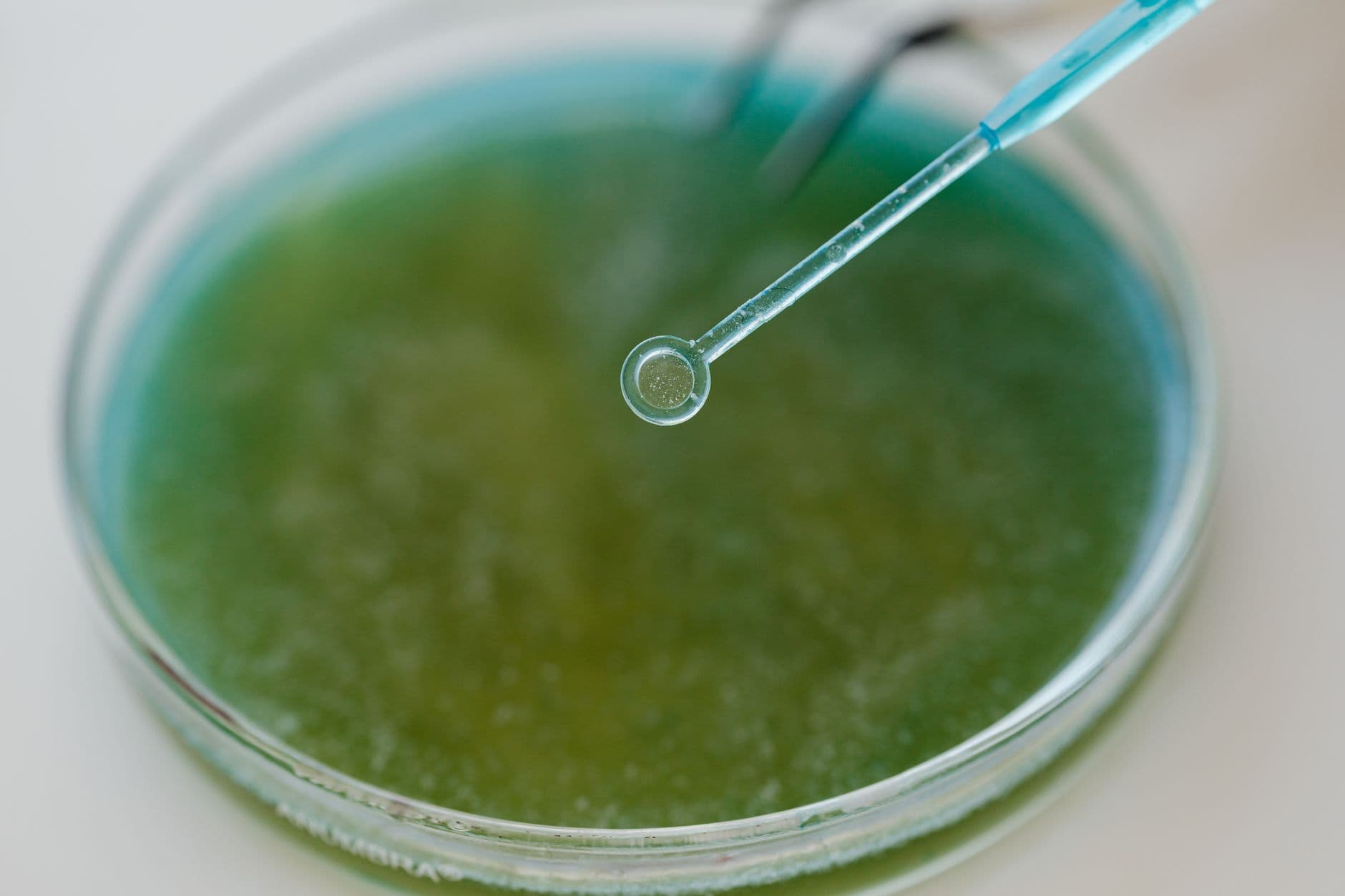
Third-party testing
How Every Prescribed Formulation Is Tested for Quality and Purity
Every formulation Dr. Bali prescribes is tested by an independent laboratory before it is dispensed. Here is what is screened for, who does it, how to read the results, and what happens when a batch does not pass.
The screening panel
Four screens, on the raw botanical and the finished formulation.
Each formulation is tested twice. Once before blending, to verify the botanical the clinic is working with, and again on the finished formulation, so the certificate describes what a patient actually receives.
Identity
Confirms the botanical is the exact species named on the label, not a cheaper substitute or an adulterant.
HPTLCHeavy metals
Screens for lead, arsenic, cadmium and mercury against tight limits. This is the test that matters most for roots and minerals.
ICP-MSPesticides
A multi-residue screen for agricultural chemicals that can travel with a botanical from the field.
GC-MS / LC-MS/MSMicrobial
Total counts plus specific screens for E. coli, Salmonella, yeast and mould.
USP <2021>/<2022>
Methods shown are representative; confirmed with the lab program at launch.
Who does the testing
An accredited lab, at arm's length.
Testing is run by an independent, accredited laboratory, not an in-house bench whose results the clinic controls. Accreditation to an international standard (ISO/IEC 17025) means the lab's methods and competence are themselves audited.
That independence is the whole point. A result only protects you if the people producing it have no reason to want a particular answer.
Partner laboratory named at launch
Certificate of analysis
You can read the result, not just trust it.
Every batch dispensed from the clinic carries a certificate of analysis. It records what was tested, by whom, and when. Ask for it by the batch number on your formulation.
Independently tested, batch by batch.
- Reference
- COA-SM-0426
- Batch tested
- SM-24-118
- Issued
- 2026-04-09
Screened for
COA lookup by batch number is available on request and will be linked here at launch.
When a batch fails
The part most clinics never publish.
A testing programme only means something if failing actually stops a formulation. Here is what happens when a batch misses specification.
Quarantine, not dispensary
A batch that misses any specification is held and flagged in the clinic's records. It cannot be dispensed to a patient while it is in quarantine.
Investigate the cause
We trace the result back to the supplier, the harvest, or the process, so the problem is understood, not just discarded.
Reject and document
If it can't be brought into specification, the batch is rejected and the rejection is recorded. We do not re-test until we get a number we like.
Never dispense the doubt
The simplest rule Dr. Bali has: if he would not give it to his own family, it is not dispensed to a patient.