
Children's health · Physician-led consultation
Ayurvedic Consultation for Digestive Problems in Children
This page is for parents and caregivers. All treatment plans are assessed and prescribed by Dr. Bali during consultation.
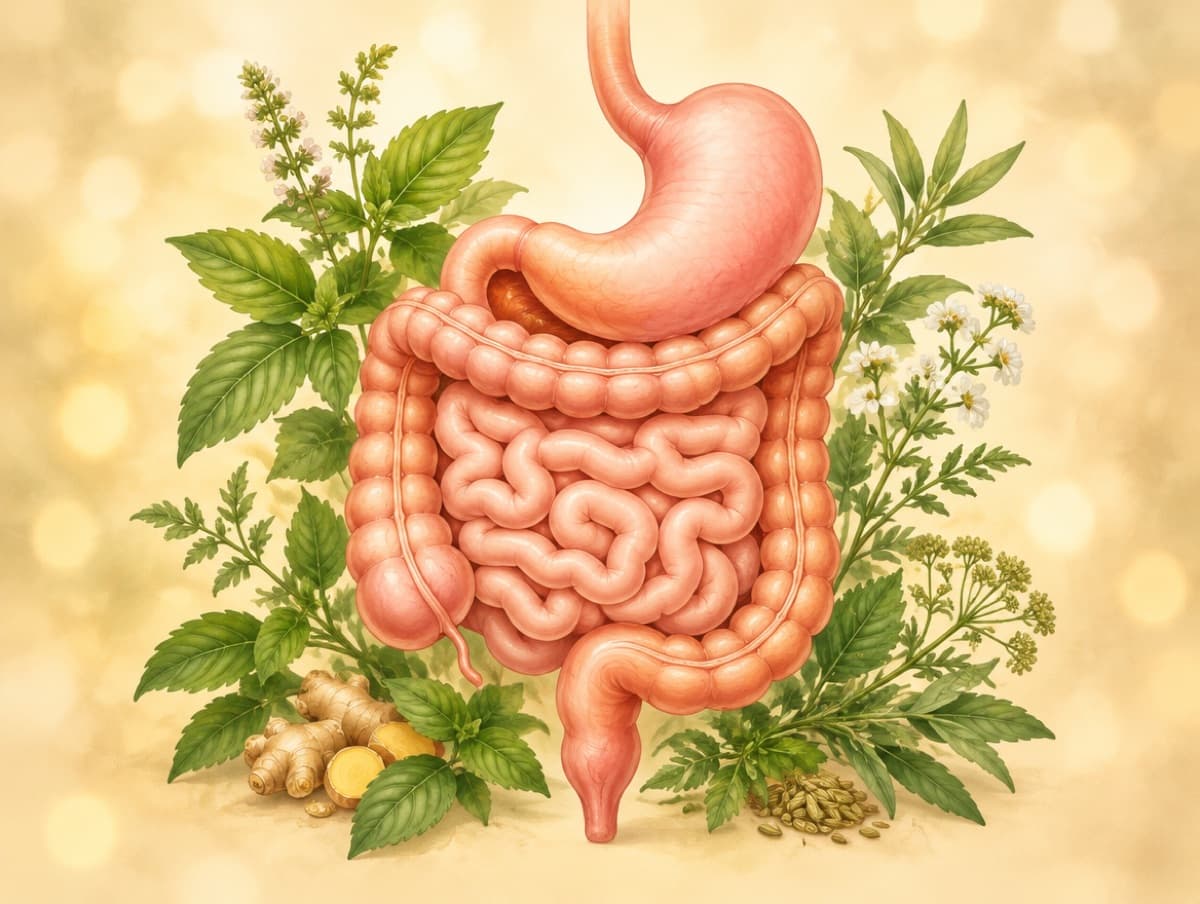
Digestive Problems in Children: When It Becomes a Pattern
Every child experiences stomach aches or upset digestion from time to time. But when digestive complaints are recurring, persistent, or affecting a child's appetite, growth, energy, or mood, it is worth looking more carefully at what is driving them.
Recurring digestive issues in children are among the most common reasons families seek Ayurvedic consultation. They are also among the most responsive: because Ayurveda places digestion (Agni) at the centre of its understanding of health, the assessment and approach in this area tends to be detailed and practical.
Types of Digestive Issues in Children
Children present with a range of digestive patterns. Understanding the specific pattern matters for an Ayurvedic assessment.
Constipation
The child passes stools infrequently, with difficulty, or passes hard and dry stools. This may cause discomfort, abdominal bloating, or reluctance to use the toilet. In Ayurveda, constipation is most commonly associated with Vata imbalance and reduced Agni affecting the downward movement of Apana Vayu. Dehydration, low fibre, lack of physical activity, and stress can all contribute. Some children develop a habit of withholding, which compounds the issue.
Loose Stools and Diarrhoea
Frequent loose stools, urgency, or unformed stools, particularly without a clear infection cause, may point to Pitta imbalance, weak Agni, or a pattern that Ayurveda terms Grahani (irregular digestive function). Anxiety and emotional stress in children often manifest as loose stools. Repeated courses of antibiotics or dietary imbalance may also play a role.
Bloating and Gas
Visible abdominal distension, frequent burping, flatulence, or a sense of fullness that the child finds uncomfortable. In Ayurveda, gas formation (Aadhman) is commonly linked to Vata aggravation in the digestive tract, often combined with impaired Agni. Certain foods, particularly cold, raw, or excessively sweet foods, are more likely to cause this pattern in predisposed children.
Poor Appetite and Irregular Eating
A child who consistently eats very little, eats erratically, or picks at food without hunger may have what Ayurveda terms Agnimandya: diminished digestive fire. This can be constitutional or develop over time due to irregular mealtimes, emotional stress, or repeated illness. Poor appetite in children is often linked to other digestive complaints; it rarely exists in isolation.
Food Intolerances and Sensitivities
Recurring symptoms (skin flares, digestive upset, mucus, or generalised discomfort) following specific foods may indicate what Ayurveda calls Satmya (food compatibility) issues. This is assessed through the child's constitution, digestive history, and a detailed diet review. Ayurvedic guidance in this area is practical and food-based, not elimination-only.
Ayurvedic Understanding of Children's Digestion
In Ayurveda, Agni (digestive fire or capacity) is the foundation of health. Children's Agni is considered naturally more variable than adults', which is why their digestion is often more sensitive to irregularity, stress, and unsuitable foods.
An Ayurvedic assessment for digestive complaints in a child considers:
- Agni state: whether digestion is low (Manda), sharp (Tikshna), irregular (Vishama), or well-balanced (Sama)
- Prakriti: constitutional predispositions to certain digestive patterns
- Vikriti: current imbalances relative to the child's baseline
- Koshtha: the child's natural bowel tendency (hard, soft, or sensitive)
- Diet, timing, and food combinations: what the child is eating, when, and how
- Emotional and stress factors: which significantly affect Agni in children
- History of illness and treatments: especially antibiotic use, which Ayurveda considers particularly relevant to gut health
What an Ayurvedic Consultation for Digestive Problems Involves
Dr. Bali conducts a detailed assessment. For children's digestive complaints, this typically includes:
- 01
Symptom pattern review:
nature, frequency, duration, and triggers
- 02
Detailed diet history:
typical meals, timing, quantities, food preferences and aversions
- 03
Bowel and appetite history:
when the pattern started, what has been tried
- 04
Review of Agni signs:
bloating, undigested food, tongue coating, appetite variability
- 05
Prakriti and Vikriti evaluation:
constitutional and current-state assessment
- 06
Assessment of emotional and school-related stress
- 07
Review of any previous investigations or treatments
- 08
Personalised recommendations:
including dietary guidance, mealtimes, herbal formulations appropriate for the child's age, and practical lifestyle adjustments
A parent or guardian should be present throughout. Dr. Bali explains every recommendation in plain language.
Children's Digestive Health and Calmvida
Digestive complaints are one of several areas where children benefit from Ayurvedic guidance. Explore the full range of paediatric concerns addressed at Calmvida's Children's Health Hub.
Safety Information
Ayurvedic consultation is not a substitute for emergency or primary paediatric care. If your child is showing signs of blood in stools, persistent vomiting, significant weight loss, severe abdominal pain, or fever with digestive symptoms, please seek immediate paediatric evaluation.
Ongoing management of diagnosed conditions such as Crohn's disease, coeliac disease, or IBD should not be changed without the guidance of the treating specialist. Ayurvedic consultation can complement this care; it does not replace it.
Frequently Asked Questions
Can Ayurveda help with constipation in children?
Yes. Constipation is one of the most common and well-addressed concerns in paediatric Ayurveda. Dr. Bali assesses the pattern behind the constipation (whether it is constitution-driven, diet-driven, or stress-related) and recommends a tailored approach including dietary changes and, where appropriate, gentle formulations safe for the child's age.
My child has had loose stools for months. What can Ayurveda do?
Chronic loose stools without a diagnosed infectious or structural cause are assessed in terms of Agni pattern, constitution, diet, and stress. The Ayurvedic approach focuses on restoring digestive stability rather than simply arresting loose stools. Dr. Bali will recommend investigations if he considers them necessary before any treatment.
Is it safe to use Ayurvedic formulations for a young child's digestion?
Any formulation recommended by Dr. Bali is age-appropriate and dosed for the child. He does not prescribe adult Ayurvedic supplements for children. All recommendations are explained clearly to the parent.
How soon might we see improvement?
Digestive complaints that have been present for a short time often respond relatively quickly with dietary adjustment. Long-standing patterns or constitutional tendencies may take longer. Dr. Bali gives a realistic timeline during the consultation.
Can we consult online?
Yes. Online consultations are available for families in India and internationally. A detailed written history is requested before the consultation to make the session as productive as possible.
My child is already seeing a paediatrician. Can we still consult with Dr. Bali?
Yes. Dr. Bali works alongside existing medical care, not against it. He will ask about current diagnoses and treatments. He will not advise stopping any prescribed treatment.
Book a Consultation for Your Child
To book an online or in-clinic consultation with Dr. Bali for your child, Book Here or contact the clinic at care@calm-vida.com or +91 98306 99000.