
Physician-led consultation
Ayurvedic Consultation for Anal Fissure Online with Dr. Bali
Last updated
Physician-led Ayurvedic consultation for anal fissure, involving a detailed review of your symptoms, bowel habits, digestive health, medical history, previous diagnosis and individual Ayurvedic profile.
An anal fissure can cause significant pain, particularly during or after passing stool. Dr. Arvinder Singh Bali begins by understanding your symptoms, bowel habits, stool pattern, digestive health, medical history and previous healthcare before discussing the Ayurvedic perspective and appropriate next steps for your individual situation.

Dr. Arvinder Singh Bali, BAMS · 22+ Years of Clinical Practice · 3,00,000+ Patients
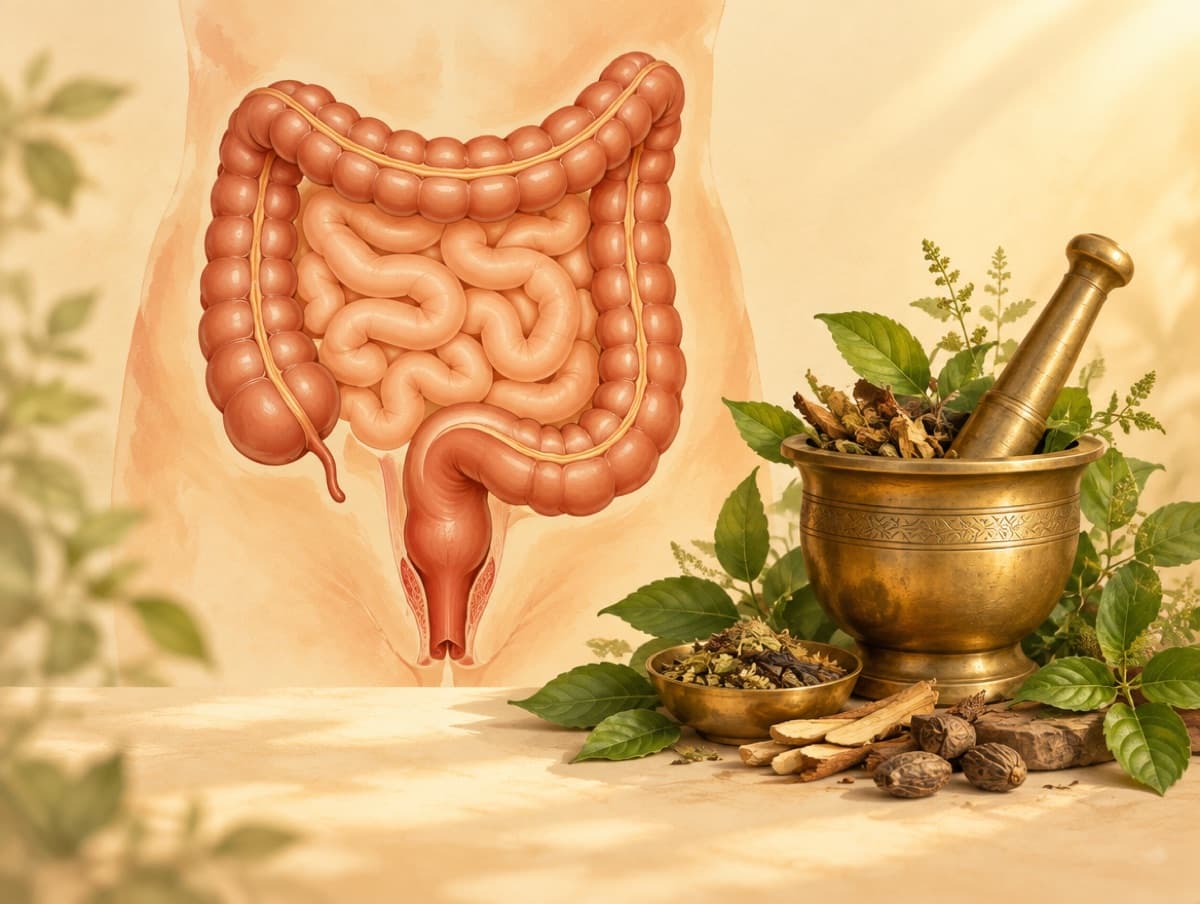
What Is an Anal Fissure?
An anal fissure is a small tear or split in the lining of the anus. It can occur when the anal tissue is exposed to stretching or trauma, often during the passage of a hard or large stool.
An anal fissure can cause pain and bleeding during bowel movements, although the symptoms and severity can differ between individuals.
Common symptoms may include:
- Sharp pain while passing stool
- Burning or pain that continues after a bowel movement
- Bright red blood on toilet paper or on the surface of the stool
- Anal discomfort or irritation
- A feeling of tightness around the anal area
- Fear or hesitation about passing stool because of pain
- Constipation or hard stools
- Repeated episodes of pain during bowel movements
Not every episode of anal pain or rectal bleeding is caused by a fissure. Similar symptoms can occur with other anorectal conditions.
Persistent, recurrent, severe or unexplained symptoms should therefore be appropriately assessed rather than assumed to be an anal fissure.
Acute and Chronic Anal Fissure: What's the Difference?
Anal fissures are sometimes described according to how long they have been present and their clinical characteristics.
Acute Anal Fissure
An acute fissure is a relatively recent tear that may occur following trauma or difficulty passing stool.
Chronic Anal Fissure
A fissure that persists or repeatedly recurs over a longer period may be described as chronic. Chronic fissures can have additional local changes associated with ongoing symptoms.
The distinction can be useful when discussing the history of symptoms during a consultation.
A diagnosis should be based on an appropriate clinical assessment rather than on symptoms alone.
Common Symptoms of Anal Fissure
Anal fissure symptoms can vary between individuals.
Pain and Bleeding
People may notice:
- Sharp or cutting pain during bowel movements
- Burning after passing stool
- Pain that continues for some time after a bowel movement
- Bright red bleeding
- Blood on toilet paper
- Blood on the outside of the stool
Bowel-Related Symptoms
Some people may also experience:
- Hard or dry stools
- Constipation
- Straining during bowel movements
- Avoiding or delaying bowel movements because of pain
- A recurring cycle of painful bowel movements and constipation
When Symptoms May Become More Noticeable
Symptoms may become more noticeable:
- During or immediately after passing stool
- When stools are hard or bulky
- During periods of constipation
- After repeated straining
- When bowel movements are irregular
Keeping track of stool consistency, bowel frequency and the relationship between bowel movements and pain can provide useful information for a physician assessing the overall pattern.
Persistent rectal bleeding, significant pain, unexplained changes in bowel habits, black stools, fever, pus or other concerning symptoms require appropriate medical evaluation.
What Can Contribute to an Anal Fissure?
There is not always one single factor responsible for an anal fissure.
Factors that may be relevant include:
- Passing hard or dry stools
- Constipation
- Straining during bowel movements
- Repeated diarrhoea
- Irregular bowel habits
- Changes in bowel routine
- Local trauma
- Previous anal fissure
- Certain underlying bowel conditions
- Other anorectal conditions
A person's bowel pattern can change over time, and a factor that contributes to symptoms in one person may not be equally relevant in another.
This is why repeatedly focusing on the fissure itself without understanding the person's bowel habits and broader digestive pattern may not provide a complete picture.
Ayurvedic Understanding of Anal Fissure
Ayurveda approaches digestive and anorectal complaints by considering the individual's bowel habits, digestion, diet, daily routine and broader health pattern.
In classical Ayurvedic thinking, Vata may be considered in relation to certain bowel and anorectal presentations. Factors associated with stool consistency, bowel regularity and digestive function may also form part of an individual assessment.
Depending on the person's presentation, an Ayurvedic assessment may consider Prakriti, Vikriti and Agni where relevant.
Looking at the Digestive and Bowel Pattern
For someone experiencing an anal fissure, Dr. Bali may explore:
- When the symptoms began
- Pain during and after bowel movements
- Frequency of bowel movements
- Stool consistency
- Constipation or diarrhoea
- Straining during bowel movements
- Urge to pass stool
- Whether bowel movements are being delayed
- Diet and eating patterns
- Water and fluid intake
- Digestive symptoms
- Bloating or abdominal discomfort
- Previous diagnosis
- Previous anorectal problems
- Previous investigations or treatment
- Current medicines and supplements
- Other relevant health concerns
The purpose is to understand the individual's presentation rather than assume that every anal fissure is associated with the same bowel or digestive pattern.
Individual Ayurvedic Assessment
Dr. Bali considers the complete history before discussing the Ayurvedic perspective and appropriate next steps.
Depending on the consultation, the assessment may include Prakriti, Vikriti, Nadi (pulse) and tongue examination where appropriate.
Why Anal Fissure Symptoms May Keep Coming Back
Recurring anal fissure symptoms can be frustrating, particularly when pain settles for a period and then returns with another episode of constipation or painful bowel movement.
Symptoms may recur when factors affecting bowel movements or stool consistency continue to be present. However, recurring anal pain or bleeding can also have other causes and should not automatically be attributed to the same fissure.
A broader assessment may consider:
- Stool consistency
- Constipation
- Bowel frequency
- Straining
- Meal timing and eating patterns
- Digestive function
- Fluid intake
- Previous anorectal problems
- Symptom frequency and duration
- Previous diagnosis
- Previous investigations
- Current medicines
- Relevant medical history
Instead of assuming that every episode of anal pain or bleeding has the same cause, a physician-led consultation can help establish a clearer picture of the individual's symptoms and what should be considered next.
Related Anorectal and Digestive Conditions
What Does an Anal Fissure Consultation With Dr. Bali Involve?
A consultation begins with understanding your symptoms and bowel pattern rather than applying the same recommendation to everyone.
- 01
Discussing Your Symptoms:
Dr. Bali will want to understand when the pain began, how it relates to bowel movements, how long it continues afterwards and whether you have noticed bleeding or other symptoms.
- 02
Understanding Your Bowel Pattern:
Stool consistency, bowel frequency, constipation, straining, urgency and whether bowel movements are being delayed may all provide useful context.
- 03
Understanding Your Digestive Patterns:
Diet, meal timing, appetite, digestion, bloating and other digestive symptoms may help provide a more complete picture.
- 04
Reviewing Your Health History:
Previous anorectal problems, diagnoses, investigations, current medicines and supplements, and previous healthcare can help provide important context.
- 05
Assessing Your Ayurvedic Profile:
Depending on the consultation, Dr. Bali may consider factors such as Prakriti, Vikriti, Dosha and Agni, along with traditional examination methods such as Nadi and tongue examination where appropriate.
- 06
Discussing Appropriate Next Steps:
After reviewing your individual presentation, Dr. Bali discusses the Ayurvedic perspective and appropriate next steps for your situation.
The purpose of the consultation is to provide an individualized clinical assessment rather than a one-size-fits-all recommendation.
Important: If your symptoms require urgent medical attention, a physical examination, or specialist evaluation, please seek appropriate local medical care. An online Ayurvedic consultation does not replace emergency or primary healthcare.

Meet Dr. Arvinder Singh Bali
Dr. Arvinder Singh Bali, BAMS, has more than 22 years of clinical practice and has consulted with 3,00,000+ patients.
His approach is rooted in classical Ayurveda and focuses on understanding the individual behind the complaint. For anorectal concerns such as anal fissure, this means considering the presenting symptoms alongside bowel habits, digestion, diet, daily routine, medical history and the individual's Ayurvedic profile.
Dr. Bali's consultations give patients an opportunity to discuss their concerns directly with an experienced Ayurvedic physician rather than relying on generic online advice.
Can I Consult Dr. Bali Online for Anal Fissure?
Yes. Anal fissure-related concerns can be discussed through an online Ayurvedic consultation, where your symptoms, bowel habits, digestive health, previous diagnosis, investigations and relevant medical information can be reviewed remotely.
Before your consultation, it can be helpful to have:
- Previous medical or anorectal reports
- Details of any previous diagnosis
- Current medication details
- Information about when symptoms started
- Information about bowel frequency
- Details about stool consistency
- Information about pain during and after bowel movements
- Details of any rectal bleeding
- Information about previous anorectal problems or investigations
If your symptoms require a physical examination, investigation or urgent local medical assessment, online consultation should not delay appropriate in-person care.
Disclaimer: If your symptoms require urgent medical attention, a physical examination, or specialist evaluation, please seek appropriate local medical care. An online Ayurvedic consultation does not replace emergency or primary healthcare.
Frequently Asked Questions About Anal Fissure
What is the Ayurvedic understanding of anal fissure?
Ayurveda considers anorectal complaints in relation to bowel habits, digestion, diet, routine and the individual's broader health pattern. Vata may be considered in certain presentations, along with factors such as Prakriti, Vikriti and Agni where relevant. The Ayurvedic assessment is individualized rather than assuming every fissure has the same underlying pattern.
Can an anal fissure be discussed through an online Ayurvedic consultation?
Yes. An online consultation can be used to discuss your symptoms, bowel habits, previous diagnosis, medical history and relevant reports. If physical examination, investigation or specialist evaluation is required, appropriate local medical care should be sought.
What does Dr. Bali assess during an anal fissure consultation?
Dr. Bali may consider your pain pattern, relationship between pain and bowel movements, stool consistency, constipation, bowel frequency, straining, diet, digestion, previous anorectal problems, medical history, previous investigations and current medicines or supplements. The Ayurvedic assessment may also include Prakriti, Vikriti, Nadi and tongue examination where appropriate.
Can I consult Dr. Bali if I have already been diagnosed with an anal fissure?
Yes. You can discuss your existing diagnosis from an Ayurvedic perspective alongside your current healthcare. Previous examination findings and reports can be useful during the consultation. Do not stop, reduce or change prescribed medicines or other medical treatment without discussing this with the healthcare professional managing your care.
When should I see a doctor for anal pain or rectal bleeding?
Persistent or significant rectal bleeding, severe or worsening pain, fever, pus or discharge, black stools, unexplained changes in bowel habits, or other concerning symptoms require appropriate medical evaluation. Rectal bleeding should not automatically be assumed to be caused by an anal fissure.
Book a Consultation for Anal Fissure
Anal fissure symptoms can be painful and may be closely related to bowel habits, stool consistency and digestive patterns.
A consultation with Dr. Bali begins with understanding your symptoms, bowel habits, digestive health, medical history and individual Ayurvedic profile.
If you are looking to discuss anal fissure from an Ayurvedic perspective with an experienced physician, you can consult Dr. Bali online or in person.
For booking details and consultation information, visit the online consultation page.