
Physician-led consultation
Ayurvedic Consultation for Piles Online with Dr. Bali
Physician-led Ayurvedic consultation for piles (Arsha), based on your bowel habits, health history and individual Ayurvedic assessment.
Piles, also called haemorrhoids, can present differently from one person to another. Dr. Arvinder Singh Bali begins by understanding your symptoms, digestive and bowel patterns, medical history and Ayurvedic profile before discussing the appropriate next steps for your individual situation.

Dr. Arvinder Singh Bali, BAMS · 22+ Years of Clinical Practice · 3,00,000+ Patients
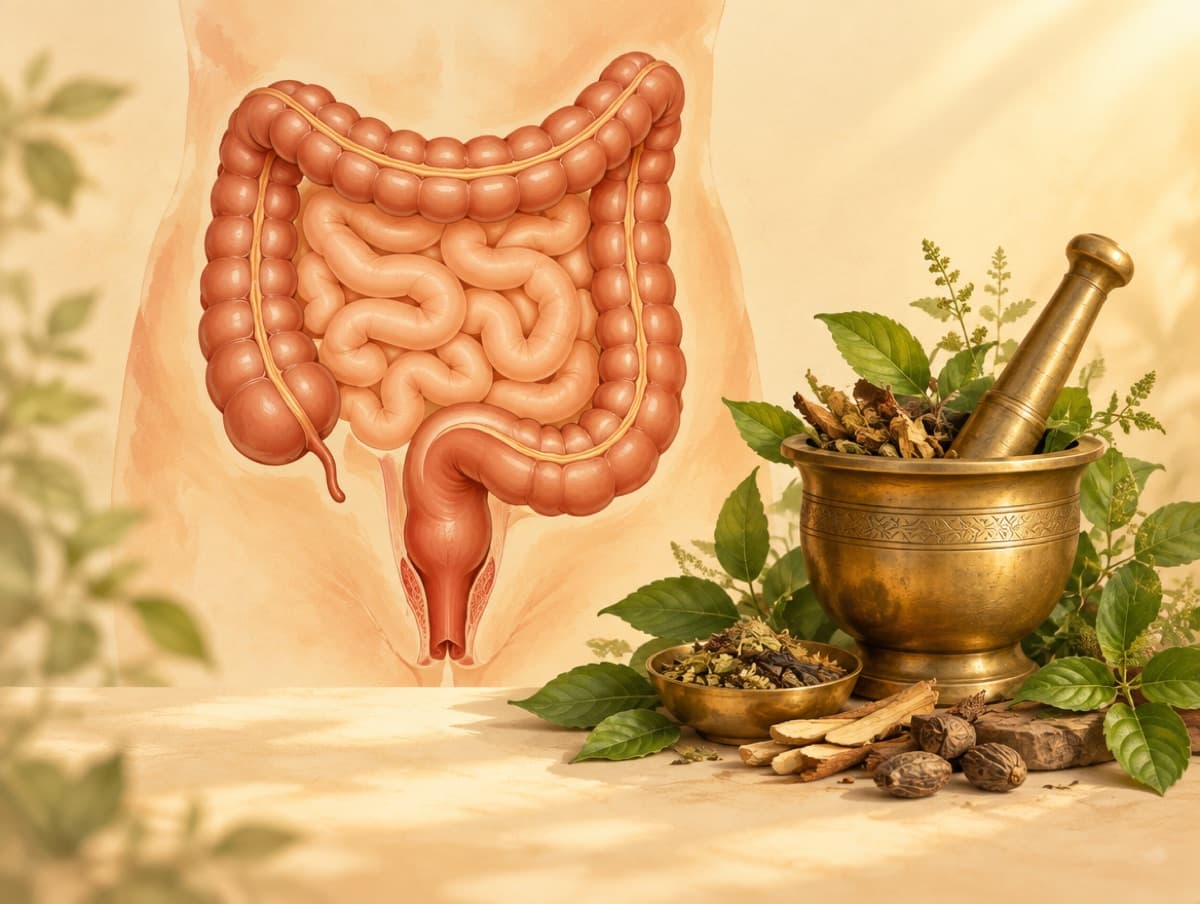
What Are Piles (Haemorrhoids)?
Piles, medically known as haemorrhoids, are swollen blood vessels and surrounding tissue in and around the lower rectum and anus. They may cause symptoms such as bleeding during bowel movements, itching, discomfort, swelling or tissue protruding from the anus.
Piles can develop inside the rectum (internal haemorrhoids) or under the skin around the anus (external haemorrhoids). Symptoms can vary from person to person, which is why recurring bleeding, pain or swelling should not automatically be assumed to be piles without appropriate assessment.
In classical Ayurveda, piles are traditionally described as Arsha. An Ayurvedic assessment considers the individual's digestive health, bowel habits, constitution and overall symptom pattern.
Types of Piles
Internal Haemorrhoids develop inside the rectum and may cause bleeding during bowel movements. Grade 1: remain inside the rectum. Grade 2: may protrude during bowel movements but return on their own. Grade 3: may protrude and require manual repositioning. Grade 4: remain prolapsed.
External Haemorrhoids develop under the skin around the anus. They may cause swelling, irritation, discomfort or pain, particularly when a blood clot develops.
Causes and Symptoms of Piles
Common associated factors: constipation and hard stools, straining during bowel movements, prolonged time on the toilet, changes in bowel habits, low-fibre dietary patterns, pregnancy, prolonged sitting.
Common symptoms: bright-red bleeding during or after a bowel movement, itching or irritation around the anus, discomfort or pain, swelling or a lump near the anus, tissue protruding from the anus, sensation of incomplete bowel evacuation.
Rectal bleeding should not automatically be attributed to piles. Persistent, heavy or unexplained bleeding, severe pain, fever or a significant change in bowel habits should be appropriately evaluated by a qualified local healthcare professional.
Ayurvedic Understanding of Piles
In classical Ayurveda, piles are described as Arsha. Ayurveda considers the condition in relation to the individual's overall health, digestive function, bowel habits and symptom pattern rather than assuming that every person with piles has the same underlying picture. An Ayurvedic assessment may consider factors such as Dosha, Agni, Prakriti, Vikriti, digestion and bowel habits.
Dr. Bali may consider: present symptoms and their duration, bowel movements and stool patterns, constipation and straining, digestive function and appetite, diet and daily routine, previous diagnosis and medical history, current medicines and supplements, Prakriti and Vikriti, Nadi (pulse) and tongue examination where appropriate.
Why Piles May Keep Returning Despite Creams or Home Remedies
Creams and home remedies may manage individual symptoms but may not address every factor associated with recurring piles. For some people, constipation, straining, bowel irregularity or other contributing factors may continue even when a particular symptom has settled temporarily. A physician-led consultation can help clarify the individual's presentation and what should be considered next.
Related Anorectal Conditions
- Anal Fissure
- Fistula-in-Ano
- Chronic Constipation
What Does a Piles Consultation With Dr. Bali Involve?
- 01
Discussing Your Symptoms:
Dr. Bali will want to understand what you are experiencing, when the symptoms began, whether they recur and how they relate to bowel movements.
- 02
Reviewing Your Health History:
Previous diagnoses, investigations, medicines, supplements and healthcare received.
- 03
Understanding Digestion and Bowel Habits:
Constipation, stool consistency, frequency, straining, appetite and digestive patterns.
- 04
Assessing Your Ayurvedic Profile:
Prakriti, Vikriti, Dosha and Agni, along with Nadi and tongue examination where appropriate.
- 05
Discussing the Appropriate Next Steps:
Dr. Bali discusses the Ayurvedic perspective and appropriate next steps for your situation.
Important: If your symptoms require urgent medical attention, a physical examination, or specialist evaluation, please seek appropriate local medical care. An online Ayurvedic consultation does not replace emergency or primary healthcare.
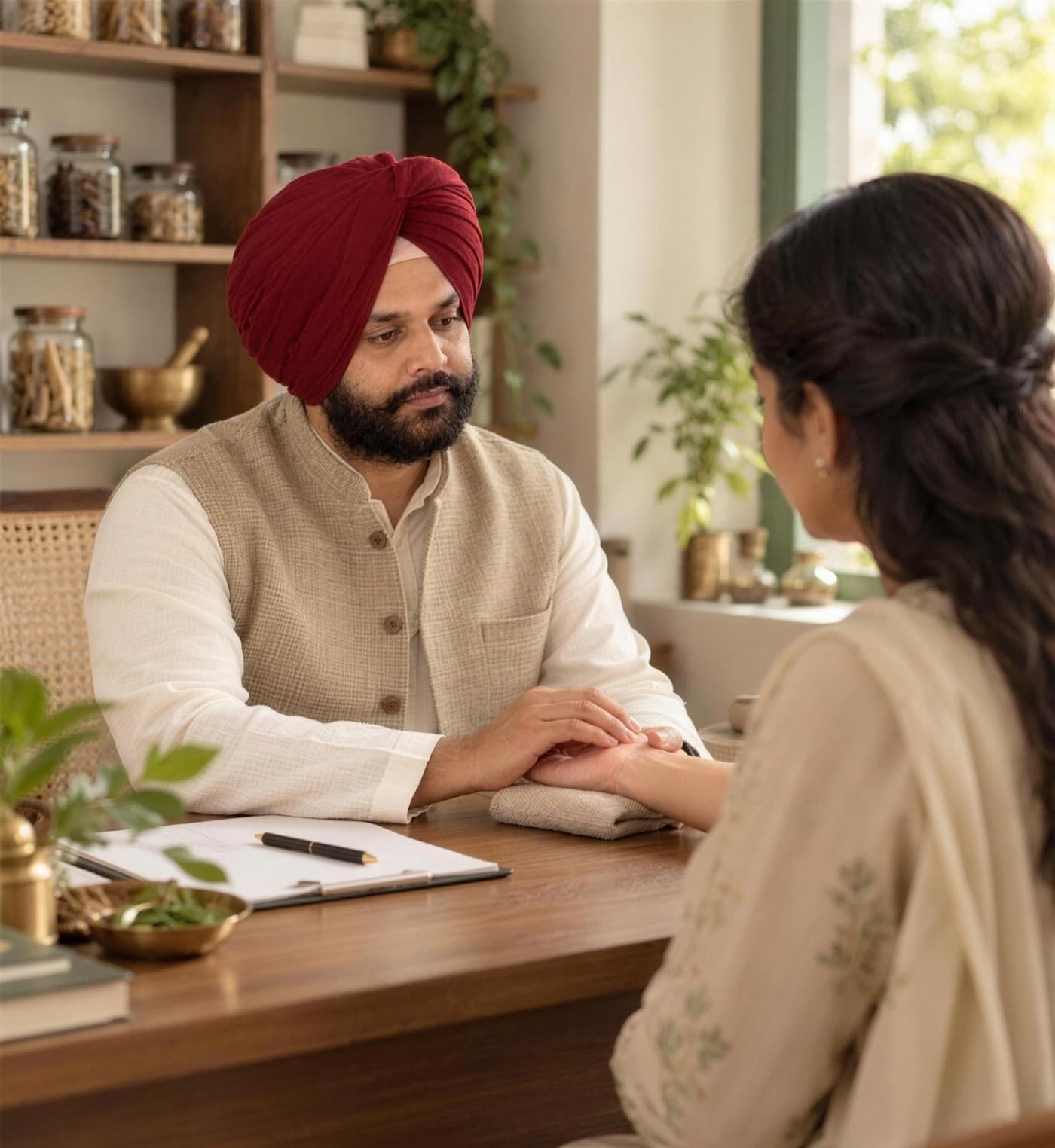
Meet Dr. Arvinder Singh Bali
Dr. Arvinder Singh Bali, BAMS, has more than 22 years of clinical practice and has consulted with 3,00,000+ patients.
His approach is rooted in classical Ayurveda and focuses on understanding the individual behind the condition. For concerns such as piles and other anorectal or digestive complaints, this means considering the presenting symptoms alongside bowel habits, digestion, lifestyle, health history and the individual's Ayurvedic profile.
Can I Consult Dr. Bali Online for Piles?
Yes. Piles can be discussed through an online Ayurvedic consultation, where your symptoms, health history, previous diagnosis and relevant medical information can be reviewed remotely. Before your consultation, have previous reports, current medication details and information about your bowel habits available. If your symptoms require a physical examination or urgent assessment, online consultation should not delay appropriate in-person care.
For booking details and consultation information, visit /online-consultation.
Frequently Asked Questions About Piles
What is the Ayurvedic understanding of piles?
In classical Ayurveda, piles are described as Arsha. Ayurvedic assessment considers the individual's symptom pattern along with Dosha, Agni, Prakriti, Vikriti, digestion and bowel habits.
Can piles be discussed through an online Ayurvedic consultation?
Yes. If a physical examination or urgent evaluation is required, appropriate local medical care should be sought.
What does Dr. Bali assess during a piles consultation?
Symptoms, bowel habits, constipation, digestion, diet, lifestyle, medical history, previous healthcare and relevant reports. Assessment may also include Prakriti, Vikriti, Nadi and tongue examination.
Can I consult Dr. Bali if I am already receiving care for piles?
Yes. Do not stop or change prescribed medicines without discussing this with the healthcare professional managing your care.
When should I see a doctor for piles?
Persistent or heavy rectal bleeding, severe or sudden pain, fever, significant swelling, unexplained weight loss or a change in bowel habits should be appropriately evaluated by a qualified local healthcare professional.
Book a Consultation for Piles
Every case of piles can present differently. A consultation with Dr. Bali begins with understanding your symptoms, health history, bowel habits, digestive patterns and individual Ayurvedic profile. You can consult Dr. Bali online or in person.