
Physician-led consultation
Ayurvedic Consultation for Fistula Online with Dr. Bali
Last updated
Physician-led Ayurvedic consultation for fistula, focused on your symptoms, medical history, digestive and bowel health, and individual Ayurvedic profile.
Fistula-in-ano can be a complex anorectal condition and may require physical or surgical evaluation. Dr. Arvinder Singh Bali considers your individual presentation, previous diagnosis, investigations and health history before discussing the Ayurvedic perspective and appropriate next steps.

Dr. Arvinder Singh Bali, BAMS · 22+ Years of Clinical Practice · 3,00,000+ Patients
What Is Fistula?
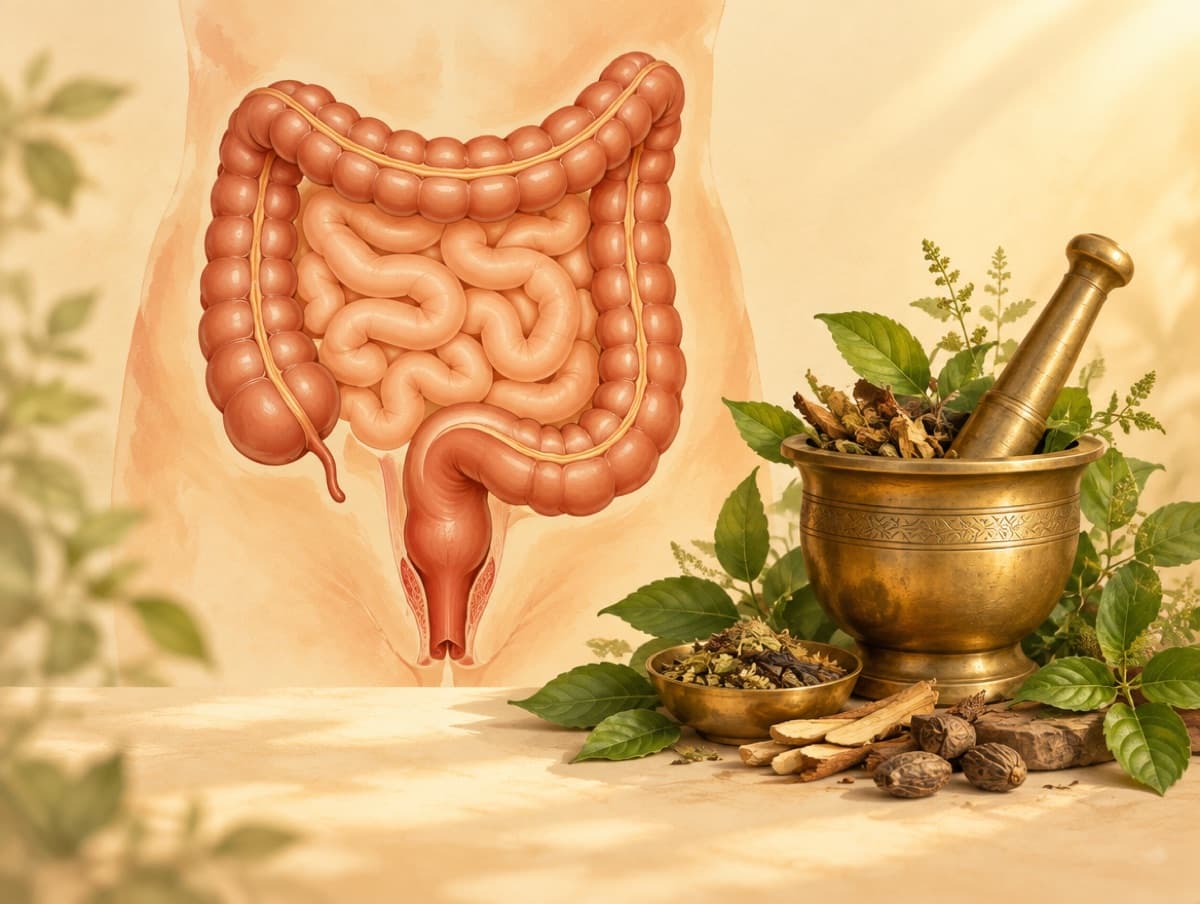
Anal fistula, also known as fistula-in-ano, is an abnormal passage that develops between the inside of the anal canal or rectum and the skin around the anus.
It may develop following an anorectal infection or abscess. Some people notice a small opening near the anus, while others experience recurring discharge, swelling, irritation or discomfort.
Fistula can present differently from one person to another. The location of the opening, duration of symptoms, previous diagnosis, history of abscess or procedures, and associated symptoms can all be relevant when understanding an individual's condition.
What Does Fistula-in-Ano Look Like?
A fistula-in-ano may appear differently depending on the location and extent of the tract. The external opening may be the most noticeable sign, but it does not necessarily show the complete picture.
The External Opening
A fistula may have a small opening on the skin near the anus. Discharge from this opening may be one of the first noticeable signs.
The Internal Connection
The fistulous tract may connect the skin around the anus with the anal canal or rectum. Its location and extent are important when evaluating the condition.
The visible opening alone does not establish the complete nature of a fistula. Previous examination, diagnosis and investigations may provide additional information.
Signs and Symptoms of Fistula
Fistula does not present in exactly the same way in every person. Symptoms can vary depending on the location and characteristics of the fistulous tract and the individual's history.
Common Symptoms
Some people may notice:
- Discharge from an opening near the anus
- Pain or tenderness around the anal area
- Swelling or irritation
- Recurrent discomfort
- Skin irritation around the opening
- A small opening or wound near the anus
- Repeated episodes of swelling that settle and return
- Discomfort while sitting or during bowel movements
Symptoms may come and go rather than remain continuous.
Bowel and Digestive Health
During an Ayurvedic consultation, Dr. Bali may also ask about your digestive and bowel patterns as part of understanding your overall health.
This may include:
- Bowel movement frequency
- Stool consistency
- Constipation or straining
- Changes in bowel habits
- Appetite and digestion
- Bloating or digestive discomfort
- Eating patterns and meal timing
These factors do not necessarily explain the cause of a fistula but may provide useful context during an individual assessment.
Factors and Medical History That May Be Relevant
There is not always one simple explanation for why a fistula develops. When discussing a suspected or diagnosed fistula, the following history may be relevant:
- Previous anal or perianal abscess
- Previous anorectal infection or inflammation
- Recurrent swelling around the anus
- Previous drainage procedures or surgery
- Persistent or recurring discharge
- Crohn's disease and certain other inflammatory bowel conditions
- Previous anorectal disease
- Previous investigations or specialist assessments
- Current medicines and relevant medical history
These factors do not by themselves establish the cause or characteristics of an individual's fistula.
Understanding the condition may require bringing together symptoms, previous diagnosis, investigations, bowel health and medical history rather than considering any one factor in isolation.
Ayurvedic Treatment Approach for Fistula
Ayurveda approaches fistula-in-ano through an individual assessment rather than following the same treatment plan for everyone. Traditionally described as Bhagandara, fistula is considered in the context of the person's symptoms, digestive health, bowel habits, constitution and overall health.
Depending on the individual's condition and clinical history, an Ayurvedic approach may involve:
- Individual Ayurvedic assessment: Dr. Bali considers your symptoms, bowel habits, digestion, Prakriti, Vikriti, lifestyle and previous medical history before discussing an appropriate Ayurvedic approach.
- Diet and digestive support: Dietary habits, stool consistency, constipation, straining, appetite and digestion may be reviewed. Appropriate dietary and lifestyle changes may be discussed to support regular bowel habits and overall digestive health.
- Ayurvedic medicines and supportive care: Where appropriate, Ayurvedic medicines or supportive measures may be considered based on the individual's presentation and overall health.
- Lifestyle and bowel habits: Daily routine, physical activity, hydration, eating patterns and bowel habits may also be considered as part of a broader Ayurvedic approach.
The purpose of the consultation is to understand your individual health picture before discussing the Ayurvedic approach and appropriate next steps. Fistula-in-ano can also require physical examination, imaging or surgical care, and Ayurvedic consultation should not delay appropriate medical evaluation.
What Does a Fistula Consultation With Dr. Bali Involve?
A consultation begins with understanding your individual anorectal, digestive and medical picture rather than focusing only on the visible opening.
- 01
Discussing Your Fistula History:
Dr. Bali will ask when the fistula was identified, how your symptoms have changed over time, and whether you have previously been examined or diagnosed.
- 02
Understanding Your Symptoms:
The pattern of discharge, swelling, pain, irritation and recurrence can provide important context when discussing your condition.
- 03
Reviewing Digestive and Bowel Health:
Dr. Bali may ask about bowel movements, stool consistency, constipation, straining, appetite, digestion, eating patterns and other relevant digestive concerns.
- 04
Reviewing Previous Medical Care:
Previous abscesses, drainage procedures, surgery, investigations, specialist opinions, current medicines and previous healthcare recommendations may be reviewed.
- 05
Assessing Your Ayurvedic Profile:
Depending on the consultation, Dr. Bali may consider Prakriti, Vikriti, Agni and other relevant Ayurvedic factors, along with traditional examination methods such as Nadi and tongue examination where appropriate.
- 06
Discussing Appropriate Next Steps:
After reviewing your individual presentation, Dr. Bali discusses the Ayurvedic perspective and appropriate next steps for your situation.
If you have already been advised surgery, the Ayurvedic consultation does not replace that surgical assessment. Your previous recommendation and clinical history can be discussed as part of understanding your overall situation.
Important: Fistula-in-ano can require physical examination or specialist assessment. If you have significant pain, fever, rapidly worsening swelling, active infection or other concerning symptoms, seek appropriate medical or surgical care without delay.

Meet Dr. Arvinder Singh Bali
Dr. Arvinder Singh Bali, BAMS, has more than 22 years of clinical practice and has consulted with 3,00,000+ patients.
His approach is rooted in classical Ayurveda and focuses on understanding the individual behind the health concern. For anorectal concerns such as fistula, this means considering presenting symptoms alongside bowel habits, digestion, previous medical and procedure history, lifestyle and the individual's Ayurvedic profile.
Dr. Bali's consultations give patients an opportunity to discuss their concerns directly with an experienced Ayurvedic physician rather than relying on generic online advice.
Can I Consult an Ayurvedic Doctor for Fistula Online?
Yes. Fistula-related concerns can be discussed through an online Ayurvedic consultation, including your symptoms, previous diagnosis, digestive and bowel health, medical history and relevant reports.
An online consultation can help you understand the Ayurvedic perspective, but fistula-in-ano may require physical examination or specialist evaluation.
If physical examination, further investigation or local medical or surgical care is required, online consultation should not delay appropriate in-person evaluation.
Related Anorectal and Digestive Conditions
Frequently Asked Questions About Fistula
What is the main cause of an anal fistula?
An anal fistula commonly develops after an anal or perianal abscess. Other factors, including certain inflammatory bowel conditions such as Crohn's disease, may also be relevant. The cause and characteristics of an individual fistula require appropriate clinical assessment.
Can an anal fistula heal on its own?
An anal fistula generally requires proper medical evaluation rather than being assumed to heal on its own. Symptoms may come and go, but this does not necessarily mean that the underlying fistulous tract has resolved.
What happens if a fistula is left untreated?
An untreated fistula may continue to cause recurring discharge, swelling, discomfort or episodes of infection. The appropriate course of care depends on the location and characteristics of the fistula and any underlying condition.
Can a fistula burst?
A fistula itself is not usually described as "bursting," but an associated abscess can become swollen and may drain, either spontaneously or following treatment. Recurrent swelling or discharge should be medically assessed.
Can constipation cause an anal fistula?
Constipation does not necessarily cause an anal fistula, but constipation, hard stools and straining may be relevant when discussing bowel health. During an Ayurvedic consultation, Dr. Bali may consider these patterns as part of the broader individual assessment.
Can an anal fistula come back after treatment?
Yes, a fistula can recur in some cases. Recurrence may depend on factors such as the fistula's characteristics, previous procedures and any underlying condition. Appropriate follow-up and clinical assessment are important.
Can I take Ayurvedic medicines for fistula?
Ayurvedic medicines may be considered in an individual consultation based on your symptoms, health history and Ayurvedic assessment. They should not be used as a substitute for necessary physical, surgical or specialist evaluation.
Can I consult Dr. Bali online for fistula?
Yes. You can discuss your symptoms, previous diagnosis, medical history, bowel and digestive health, and relevant reports through an online consultation. However, fistula-in-ano may require physical examination, imaging or specialist evaluation.
Does every fistula require surgery?
The appropriate management depends on the type, location and characteristics of the fistula and any underlying condition. Some cases may require surgical intervention, so an appropriate clinical assessment is important.
Book a Consultation for Fistula
With 22+ years of clinical experience and 3,00,000+ patients consulted, Dr. Arvinder Singh Bali takes a personalized approach to understanding each patient's health concerns. Let's discuss how Ayurveda can support your health journey.
Disclaimer: If your symptoms require urgent medical attention, a physical examination, or specialist evaluation, please seek appropriate local medical care. An online Ayurvedic consultation does not replace emergency or primary healthcare.