
Physician-led consultation
Ayurvedic Consultation for PCOS Online with Dr. Bali
Physician-led Ayurvedic consultation for PCOS, focused on understanding your menstrual health, reproductive history, health history, daily patterns, investigation reports and individual Ayurvedic profile.
PCOS (polycystic ovary syndrome) is a common hormonal and metabolic condition that can affect menstrual cycles, ovulation, skin, hair, weight and fertility. Its presentation varies from person to person. Dr. Bali takes an individual, physician-led approach, looking at your symptoms, health history, menstrual pattern, daily routine and Ayurvedic profile before discussing your concerns from an Ayurvedic perspective.

Dr. Arvinder Singh Bali, BAMS · 22+ Years of Clinical Practice · 3,00,000+ Patients
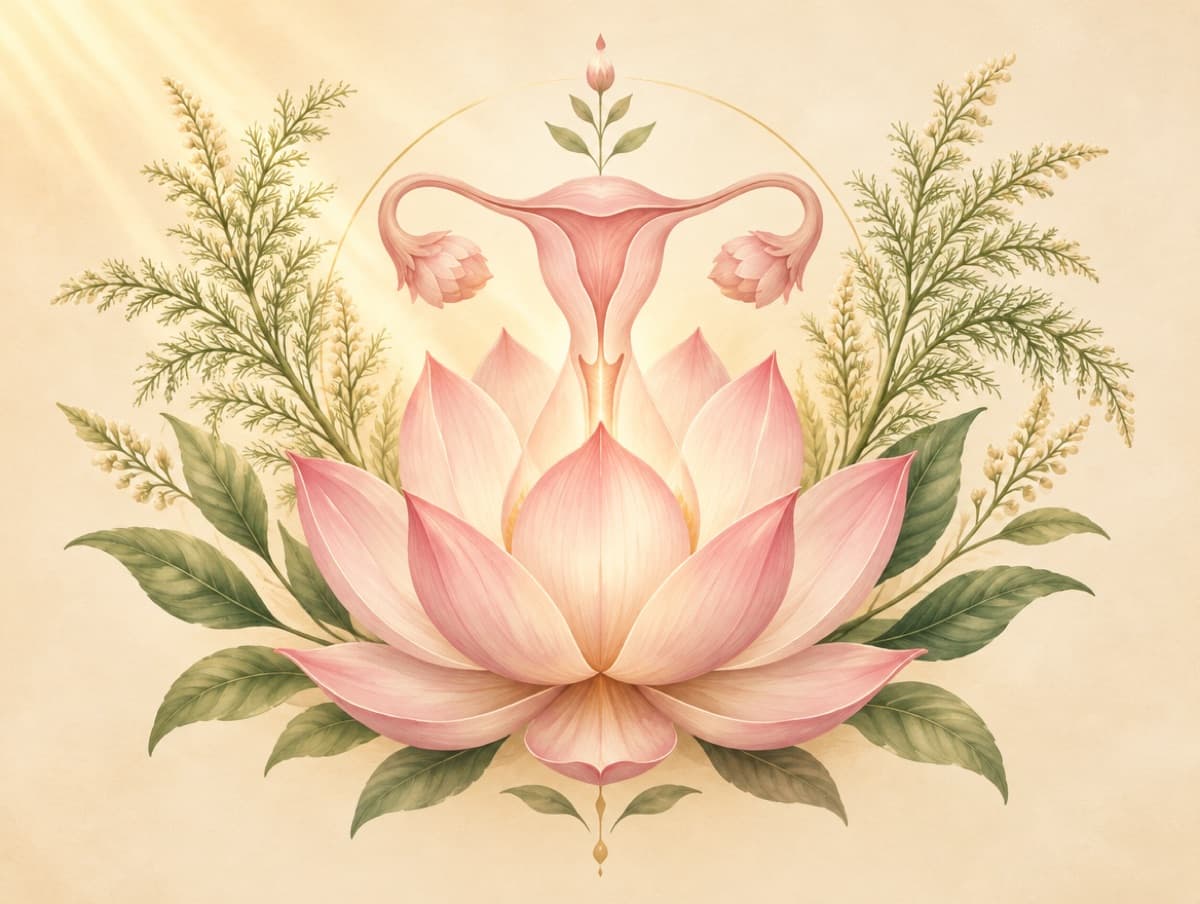
What Is PCOS?
Polycystic ovary syndrome is a hormonal condition that can affect how the ovaries function and how the body responds to hormones such as insulin and androgens. Not everyone with PCOS has ovarian cysts, and symptoms can look very different between individuals.
PCOS can also be associated with metabolic concerns, including insulin resistance. Because several conditions can cause similar menstrual or hormonal symptoms, proper medical assessment is important rather than relying on symptoms alone.
Common Presentations of PCOS
Irregular, delayed or absent menstrual periods, infrequent ovulation, acne or oily skin, increased facial or body hair, thinning scalp hair, changes in body weight or difficulty managing weight, darkened skin in certain areas, difficulty conceiving due to irregular ovulation, insulin resistance.
A PCOS diagnosis should be based on appropriate clinical assessment rather than one symptom, an ultrasound finding or an isolated hormone test.
Ayurvedic Understanding of PCOS
Ayurveda does not describe PCOS as a direct one-to-one equivalent of a single classical Ayurvedic diagnosis. From an Ayurvedic perspective, menstrual and reproductive health may be considered in relation to concepts such as Artava, along with Dosha, Agni, Dhatu and Srotas. Depending on the individual, the assessment may also consider digestion, elimination, sleep, appetite, stress, activity level and overall routine.
Rather than assigning the same Ayurvedic explanation to everyone with PCOS, Dr. Bali considers the individual's Prakriti and Vikriti alongside their presenting symptoms and health history.
Dr. Bali may consider: menstrual history and cycle pattern, ovulation-related concerns, changes in skin, hair or body hair, weight and appetite patterns, digestion and bowel habits, sleep quality and daily routine, physical activity, stress and lifestyle factors, previous investigations and diagnoses, current medicines and supplements, Prakriti and Vikriti, Nadi and tongue examination where appropriate.
Why PCOS Symptoms May Keep Returning
PCOS is a complex, ongoing condition so symptoms may change over time. Menstrual irregularity, acne, hair changes or weight-related concerns may improve and later become noticeable again. A physician-led consultation can look at the pattern over time, relevant medical information and the individual's broader health context.
Related Concerns
- Irregular Periods
- Hair Loss
- Thyroid Disorders
- Stress
What Does an Ayurvedic Consultation for PCOS Involve?
Step 1: Understanding your concern: the consultation begins with what you are experiencing, when it started and how your symptoms have changed.
Step 2: Reviewing your menstrual and health history: cycle pattern, previous diagnoses, investigations, fertility concerns and other relevant health information.
Step 3: Understanding your routine: sleep, meals, digestion, physical activity, stress and everyday habits.
Step 4: Ayurvedic assessment: Dr. Bali considers your individual Ayurvedic profile, including Prakriti and Vikriti, rather than applying a standard explanation to every PCOS case. Nadi and tongue examination where appropriate.
Step 5: Discussing the next steps: focused on your individual situation and appropriate next steps from an Ayurvedic perspective.
Important: An online Ayurvedic consultation does not replace appropriate medical assessment or investigations. If you have severe symptoms, very heavy bleeding, severe pelvic pain, pregnancy-related concerns or another urgent health issue, seek appropriate medical care without delay.
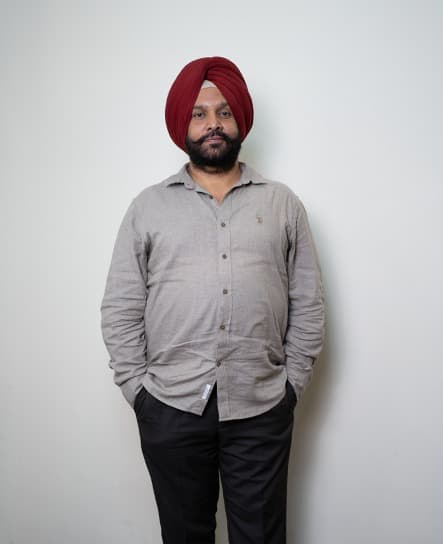
Meet Dr. Arvinder Singh Bali
Dr. Arvinder Singh Bali, BAMS, has more than 22 years of clinical practice and has consulted with 3,00,000+ patients. For PCOS, this means looking beyond an irregular period or a single laboratory value and understanding the wider picture of the individual.
Can I Consult Online for PCOS?
Yes. PCOS can be discussed through an online Ayurvedic consultation. Before your consultation, keep relevant menstrual records, previous test reports, diagnoses and details of current medicines or supplements available. Online consultation does not remove the need for appropriate in-person medical assessment or investigations when these are clinically necessary.
Frequently Asked Questions
Does Ayurveda have a direct equivalent of PCOS?
No single classical Ayurvedic term should be presented as an exact equivalent of modern PCOS. Ayurveda approaches menstrual and reproductive health through concepts including Artava, Dosha, Agni and other individual factors.
Can I discuss irregular periods during an Ayurvedic consultation?
Yes. Menstrual history is an important part of understanding PCOS-related concerns.
What should I share during an online PCOS consultation?
Menstrual history, previous diagnoses, investigation reports, current medicines or supplements, symptoms, lifestyle and relevant health history.
Can I continue my existing PCOS care while consulting an Ayurvedic physician?
Yes. Do not stop prescribed medicines or medical follow-up without speaking with the healthcare professional managing your care.
When should I seek medical assessment for PCOS symptoms?
New or significant menstrual changes, very heavy bleeding, severe pelvic pain, pregnancy-related concerns or symptoms that are rapidly changing should be medically assessed.
Discuss Your PCOS Concerns With Dr. Bali
PCOS can affect different people in different ways. An Ayurvedic consultation with Dr. Bali begins by understanding your menstrual pattern, symptoms, health history, daily routine and individual Ayurvedic profile. You can book an online or in-person consultation.