
Physician-led consultation
Ayurvedic Consultation for Eczema Online with Dr. Bali
Physician-led Ayurvedic consultation for eczema, based on your skin problems, health history, lifestyle, individual Ayurvedic assessment and overall symptom pattern.
Eczema can affect people differently, with symptoms that may come and go or change over time. Dr. Arvinder Singh Bali begins by understanding your skin symptoms, their duration and pattern, previous diagnosis or investigations, health history, lifestyle and Ayurvedic profile before discussing the appropriate next steps for your individual situation.

Dr. Arvinder Singh Bali, BAMS · 22+ Years of Clinical Practice · 3,00,000+ Patients
What Is Eczema?
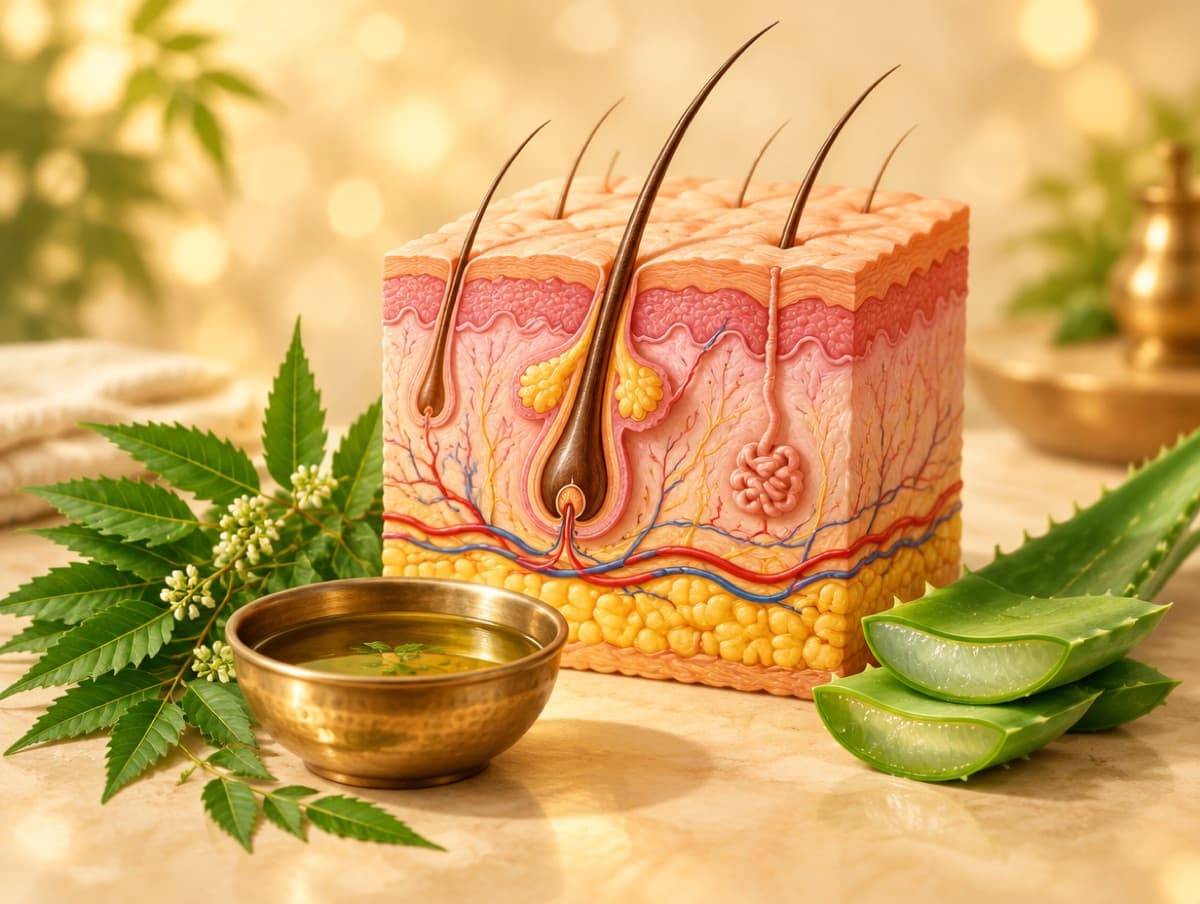
Eczema is a group of conditions that can cause the skin to become dry, itchy, inflamed and irritated. Atopic dermatitis is the most common form. Symptoms can include dryness, itching, redness, irritation, scaling, thickened skin or changes in the skin's appearance. Eczema is not contagious.
Because several skin conditions can produce similar symptoms, persistent, changing or unexplained skin changes should be appropriately assessed rather than assumed to be eczema.
Types of Eczema
Atopic Dermatitis: the most common type, commonly causes dry, itchy and inflamed skin, may follow a recurring pattern of flare-ups. Can affect children and adults.
Contact Dermatitis: occurs when the skin reacts after contact with a particular substance (irritants or allergens). Common exposures include soaps, detergents, cosmetics, metals, fragrances.
Dyshidrotic Eczema: small itchy blisters on the hands or feet, skin may later become dry or cracked.
Nummular Eczema: round or coin-shaped patches on the skin, may be itchy, dry or inflamed.
Seborrheic Dermatitis: commonly affects the scalp and face where the skin produces more oil.
Stasis Dermatitis: generally affects the lower legs, associated with problems involving blood flow in the leg veins.
Causes and Symptoms of Eczema
Eczema can involve a combination of genetic, immune-system, environmental and skin-barrier factors. Common factors that may aggravate eczema: dry weather or low humidity, heat and sweating, certain soaps or detergents, fragrances, irritating fabrics, stress, changes in environment, individual triggers.
Common symptoms: dry skin, itching, redness, irritation, scaling, skin thickening, cracked skin, burning or discomfort, oozing or crusting in some cases, recurrent flare-ups.
If the skin becomes increasingly painful, warm, swollen, develops significant drainage or is accompanied by fever or feeling unwell, appropriate medical evaluation should be sought.
Ayurvedic Understanding of Eczema
In Ayurveda, skin-related concerns are considered in relation to the individual rather than assuming that everyone presenting with eczema has the same underlying pattern. An Ayurvedic consultation may consider the individual's constitution, digestion, lifestyle, dietary patterns, environmental factors and overall symptom presentation alongside the skin complaint.
Within the classical Kushtha classification, eczema is often compared with Vicharchika, traditionally described in association with features such as itching, weeping and discoloration of the skin. This classical description is considered as part of the Ayurvedic assessment rather than as a substitute for a modern dermatological diagnosis.
Dr. Bali may consider: present skin symptoms and their duration, location and distribution of affected areas, frequency and pattern of flare-ups, itching, dryness, irritation and other symptoms, previous diagnosis or investigations, previous dermatological or medical care, current medicines and supplements, relevant health history, diet and daily routine, sleep and stress patterns, digestive function and bowel habits, Prakriti and Vikriti, Nadi and tongue examination where appropriate.
Why Eczema Symptoms May Keep Returning
Eczema can follow a recurring pattern. Repeatedly changing products or remedies without understanding the individual's overall presentation may make it difficult to identify relevant patterns. A physician-led consultation can provide an opportunity to review the wider context and discuss what should be considered next.
What Does an Eczema Consultation With Dr. Bali Involve?
- 01
Discussing Your Skin Symptoms:
what you are experiencing, where they occur, when they began, whether they recur and how they have changed.
- 02
Reviewing Your Health History:
previous diagnoses, investigations, dermatological evaluations, medicines, supplements and healthcare received.
- 03
Understanding Lifestyle and Related Health Patterns:
diet, daily routine, sleep, stress, digestion, bowel habits and environmental exposures.
- 04
Assessing Your Ayurvedic Profile:
Prakriti, Vikriti, Dosha and Agni, along with Nadi and tongue examination where appropriate.
- 05
Discussing the Appropriate Next Steps:
Dr. Bali discusses the Ayurvedic perspective and appropriate next steps.
Important: If your symptoms require urgent medical attention, a physical examination, or specialist evaluation, please seek appropriate local medical care. An online Ayurvedic consultation does not replace emergency or primary healthcare.

Meet Dr. Arvinder Singh Bali
Dr. Arvinder Singh Bali, BAMS, has more than 22 years of clinical practice and has consulted with 3,00,000+ patients. For concerns such as eczema and other skin-related complaints, this means considering the presenting symptoms alongside lifestyle, digestion, health history and the individual's Ayurvedic profile.
Can I Consult Dr. Bali Online for Eczema?
Yes. Eczema can be discussed through an online Ayurvedic consultation. Before your consultation, have previous dermatology reports, details of current medicines and information about your symptoms, flare-up pattern and products currently used on your skin available. If your symptoms require a physical examination, urgent assessment or specialist dermatological care, online consultation should not delay appropriate local medical attention.
Frequently Asked Questions About Eczema
What is the Ayurvedic understanding of eczema?
Ayurvedic assessment considers the individual. Dr. Bali may consider Prakriti, Vikriti, Dosha, Agni, digestion, lifestyle, diet and the individual's overall symptom presentation.
Can eczema be discussed through an online Ayurvedic consultation?
Yes. If a physical examination or specialist evaluation is required, appropriate local medical care should be sought.
What does Dr. Bali assess?
Skin symptoms, their duration and pattern, affected areas, previous diagnosis, healthcare received, medicines, supplements, diet, lifestyle, digestion and relevant health history. Assessment may also include Prakriti, Vikriti, Nadi and tongue examination.
Can I consult Dr. Bali if I am already receiving care for eczema?
Yes. Do not stop, reduce or change prescribed medicines without discussing this with the healthcare professional managing your care.
When should I see a doctor?
Seek appropriate medical evaluation if symptoms are severe, rapidly worsening, significantly painful, associated with swelling, extensive skin involvement, drainage or signs of infection such as increasing warmth, redness, pus or fever.
Book a Consultation for Eczema
Every case of eczema can present differently. A consultation with Dr. Bali begins with understanding your skin symptoms, health history, lifestyle, digestive patterns and individual Ayurvedic profile. You can consult Dr. Bali online or in person.