
Physician-led consultation
Ayurvedic Consultation for Psoriasis Online with Dr. Bali
Physician-led Ayurvedic consultation for psoriasis, based on your skin condition, health history, lifestyle, individual Ayurvedic assessment and overall symptom pattern.
Psoriasis can present differently from one person to another. It may involve the skin, scalp or nails and can vary in appearance, location and severity. Dr. Arvinder Singh Bali begins by understanding your symptoms, their duration and pattern, previous diagnosis or investigations, medical history, lifestyle and Ayurvedic profile before discussing the appropriate next steps for your individual situation.

Dr. Arvinder Singh Bali, BAMS · 22+ Years of Clinical Practice · 3,00,000+ Patients
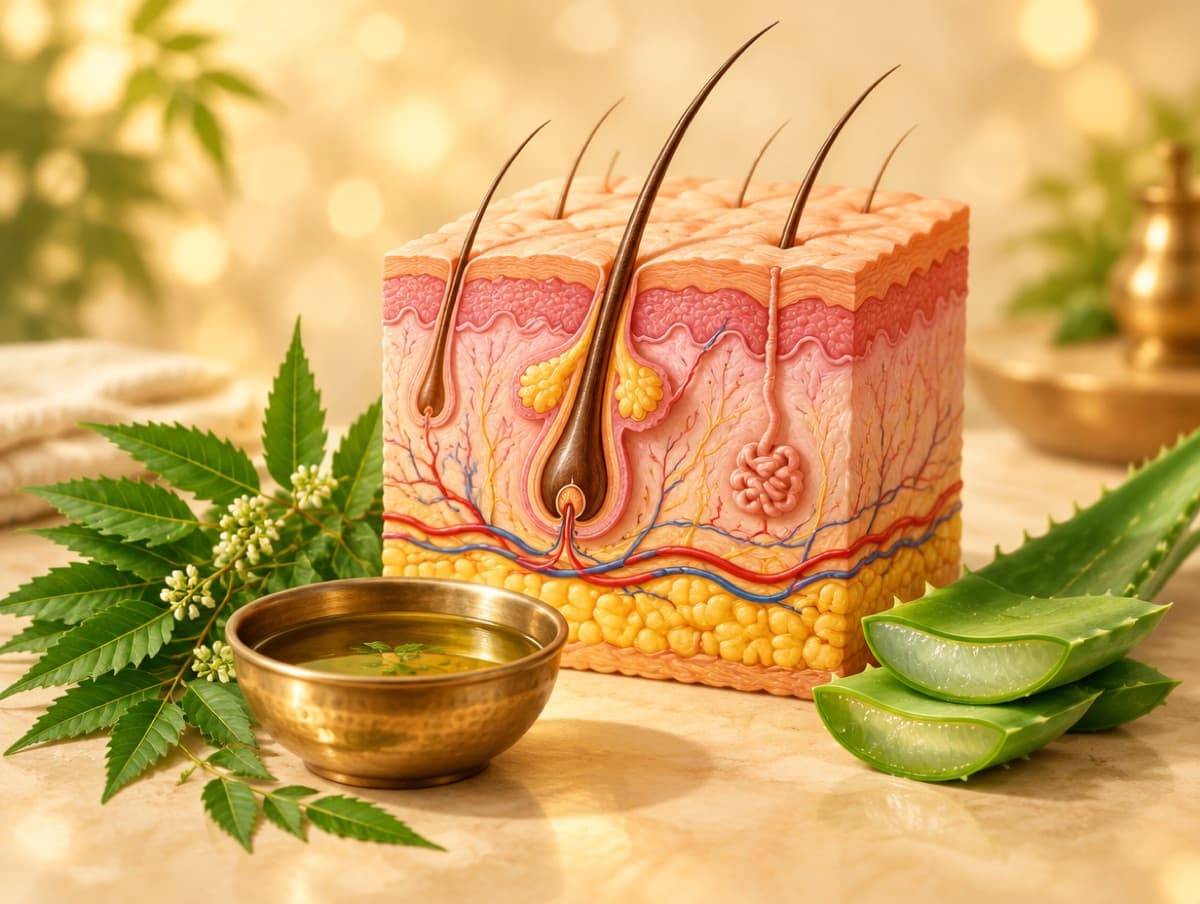
What Is Psoriasis?
Psoriasis is a chronic inflammatory skin condition in which skin cells are produced more rapidly than usual, causing cells to accumulate and form visible patches or plaques. Common symptoms can include dry, thickened or scaly skin, itching, irritation, burning or discomfort. Psoriasis is not contagious. Some people experience periods when symptoms become more noticeable (flare-ups) followed by periods when symptoms become less active.
Because several skin conditions can produce similar-looking symptoms, persistent or changing skin lesions should be appropriately assessed rather than assumed to be psoriasis.
Types of Psoriasis
Plaque Psoriasis: the most common type, raised thickened patches that may be covered with silvery-white scales, commonly on elbows, knees, scalp and lower back.
Guttate Psoriasis: numerous small scaly spots or bumps, often appearing after an infection, more common in children and young adults.
Inverse Psoriasis: develops in skin folds such as around the groin or under the breasts.
Pustular Psoriasis: pus-filled bumps. Generalized pustular psoriasis can be serious and requires appropriate medical evaluation.
Erythrodermic Psoriasis: an uncommon and potentially serious form affecting extensive areas of skin with intense redness and inflammation. Requires urgent medical attention.
Nail Psoriasis: small pits or dents, discolouration, thickening, crumbling or separation of the nail from the nail bed.
Causes and Symptoms of Psoriasis
Current medical understanding indicates that genetic factors and immune-system activity both play a role. Common factors associated with flare-ups include stress, skin injury or irritation, certain infections, cold or dry weather, smoking, excessive alcohol, certain medicines. Not every person with psoriasis will have the same triggers.
Common symptoms: dry or scaly patches, raised or thickened areas, itching, skin irritation, burning or discomfort, cracked or bleeding skin, scalp scaling, nail changes, recurrent flare-ups.
Some people with psoriasis may also develop joint symptoms (psoriatic arthritis) including joint pain, swelling or stiffness. Persistent joint symptoms should be discussed with an appropriate healthcare professional.
Ayurvedic Understanding of Psoriasis
Ayurvedic assessment does not assume that every person presenting with psoriasis has the same individual pattern. In classical Ayurveda, skin-related conditions are considered in relation to the individual's constitution, digestion, lifestyle, dietary patterns and other relevant factors.
Among the classical descriptions, psoriasis may be discussed in relation to Eka Kushtha, traditionally described by features such as skin that spreads and thickens and an absence or reduction of sweating in the affected areas. This is considered as part of the Ayurvedic assessment rather than as a substitute for a modern dermatological diagnosis.
Dr. Bali may consider: current skin symptoms and their duration, location and pattern of affected areas, frequency of flare-ups, previous diagnosis or investigations, previous healthcare received, current medicines and supplements, family and relevant health history, diet and daily routine, sleep and stress patterns, digestive function and bowel habits, Prakriti and Vikriti, Nadi and tongue examination where appropriate.
Why Psoriasis Symptoms May Keep Returning
Psoriasis can follow a recurring pattern. Trying different creams, home remedies or dietary changes without understanding the individual's overall presentation may not provide a clear picture of why symptoms continue. A physician-led consultation can provide an opportunity to review the wider context and discuss what should be considered next.
What Does a Psoriasis Consultation With Dr. Bali Involve?
- 01
Discussing Your Skin Symptoms:
what you are experiencing, where they occur, when they began, whether they recur and patterns over time.
- 02
Reviewing Your Health History:
previous diagnoses, investigations, medicines, supplements and healthcare received.
- 03
Understanding Lifestyle and Related Health Patterns:
diet, daily routine, sleep, stress, digestion and bowel habits.
- 04
Assessing Your Ayurvedic Profile:
Prakriti, Vikriti, Dosha and Agni, along with Nadi and tongue examination where appropriate.
- 05
Discussing the Appropriate Next Steps:
Dr. Bali discusses the Ayurvedic perspective and appropriate next steps.
Important: If your symptoms require urgent medical attention, a physical examination, or specialist evaluation, please seek appropriate local medical care. An online Ayurvedic consultation does not replace emergency or primary healthcare.
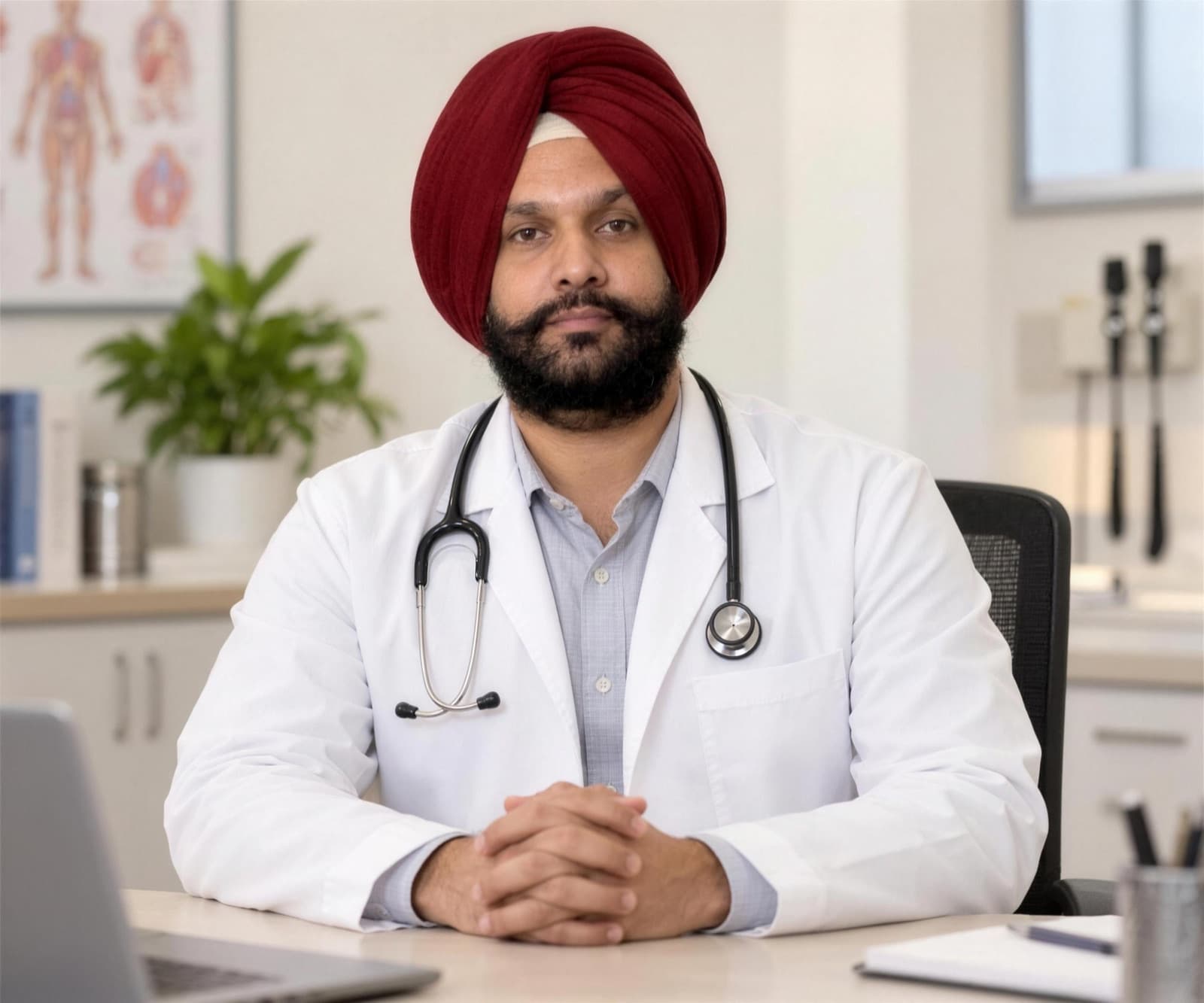
Meet Dr. Arvinder Singh Bali
Dr. Arvinder Singh Bali, BAMS, has more than 22 years of clinical practice and has consulted with 3,00,000+ patients. For concerns such as psoriasis and other skin-related complaints, this means considering the presenting symptoms alongside lifestyle, digestion, health history and the individual's Ayurvedic profile.
Can I Consult Dr. Bali Online for Psoriasis?
Yes. Psoriasis can be discussed through an online Ayurvedic consultation. Before your consultation, have previous dermatology reports, photographs of relevant skin changes where appropriate, current medication details and information about your symptoms and flare-up pattern available. If your symptoms require a physical examination, urgent assessment or specialist dermatological care, online consultation should not delay appropriate local medical attention.
Frequently Asked Questions About Psoriasis
What is the Ayurvedic understanding of psoriasis?
Ayurvedic assessment considers the individual. Dr. Bali may consider Prakriti, Vikriti, Dosha, Agni, digestion, lifestyle, diet and the individual's overall symptom presentation.
Can psoriasis be discussed through an online Ayurvedic consultation?
Yes. If a physical examination or specialist evaluation is required, appropriate local medical care should be sought.
What does Dr. Bali assess?
Skin symptoms, their duration and pattern, previous diagnosis, healthcare received, medicines, supplements, diet, lifestyle, digestion and relevant health history. Assessment may also include Prakriti, Vikriti, Nadi and tongue examination.
Can I consult Dr. Bali if I am already receiving care for psoriasis?
Yes. Do not stop, reduce or change prescribed medicines without discussing this with the healthcare professional managing your care.
When should I see a doctor?
Widespread or rapidly worsening skin symptoms, severe pain, significant illness, fever, extensive redness or symptoms involving the joints should be appropriately evaluated. Generalized pustular or erythrodermic psoriasis can require urgent medical care.
Book a Consultation for Psoriasis
Every case of psoriasis can present differently. A consultation with Dr. Bali begins with understanding your skin symptoms, health history, lifestyle, digestive patterns and individual Ayurvedic profile. You can consult Dr. Bali online or in person.