
Comparison · Acidity and reflux
Ayurveda vs Allopathy for Acidity: An Honest Comparison

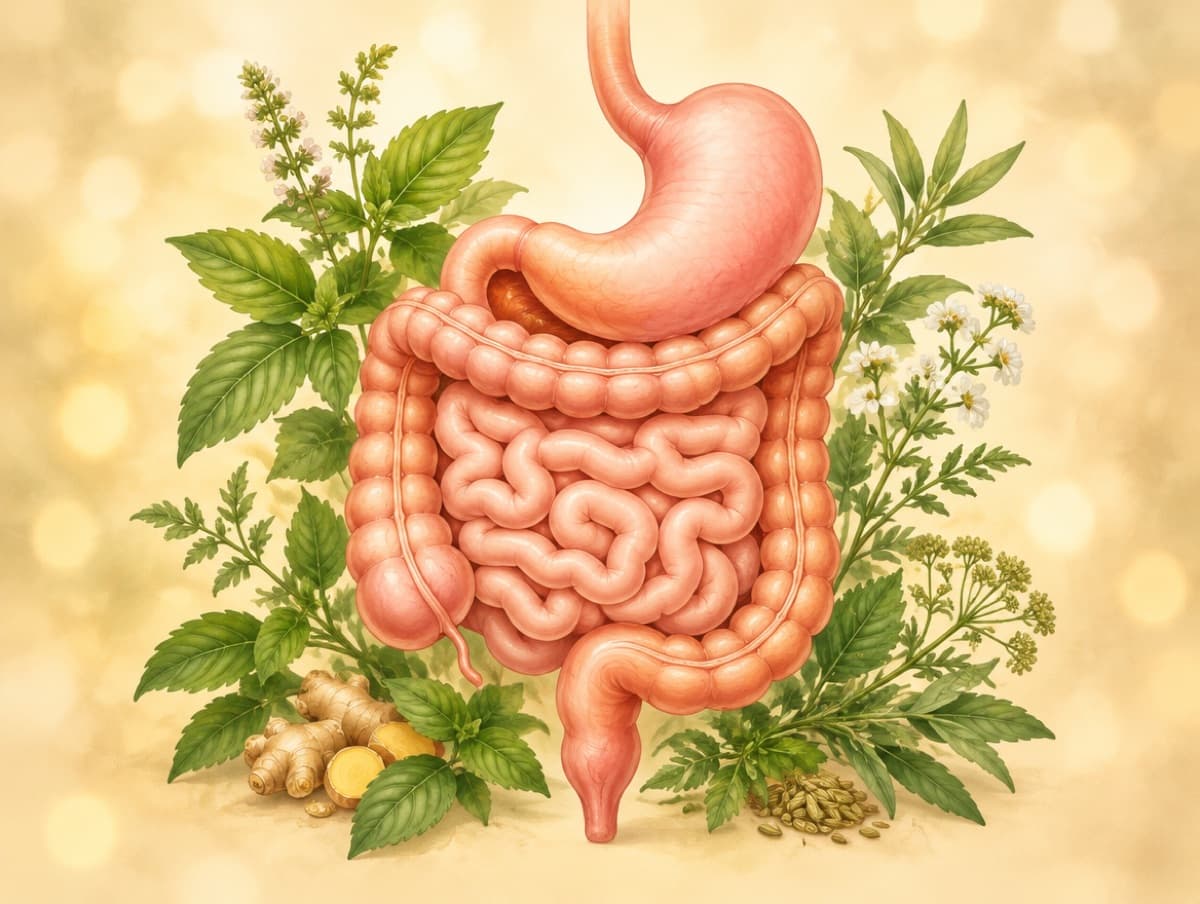
Conventional medicine is faster for acidity and reflux: PPIs settle symptoms within days, endoscopy finds ulcers and Barrett's changes, and H. pylori is tested for and treated. Ayurveda treats the pattern behind Amlapitta, Pitta aggravation and irregular eating, through diet, meal timing and formulations such as Avipattikar Churna, aiming to reduce long-term dependence on acid suppression.
01
The two ways of reading acidity and reflux
Few conditions are as well served by a single conventional drug as acidity. A proton pump inhibitor stops most heartburn within days, heals ulcers, and lets a scarred oesophagus recover. The limitation is what happens next. Many patients stay on the drug for years, get rebound acidity when they try to stop, and are never asked why the acid was troubling them in the first place.
Ayurveda calls this pattern Amlapitta and treats it as a disorder of Pitta and Agni brought on by irregular meals, heavy or sour food, late nights and worry. Dr. Arvinder Singh Bali treats it in Chandigarh and by video consultation, keeps patients on their PPI until the pattern has settled, and refers anyone with alarm signs for endoscopy before anything else.
02
Side by side
- How the condition is understood
Classical Ayurveda
Amlapitta, described in the Madhava Nidana: Pitta turned sour by irregular eating, incompatible foods and stress, with Agni disturbed rather than simply excessive. Vata and Kapha variants change the picture.
Conventional medicine
Reflux of stomach acid through a weak lower oesophageal sphincter (GERD), gastritis, or peptic ulcer. Causes include H. pylori infection, NSAIDs, obesity, hiatus hernia and diet.
- First-line treatment
Classical Ayurveda
Regular meal timing, a diet that cools Pitta, and formulations such as Avipattikar Churna, Amalaki and Shatavari. Mild Virechana where Pitta is heavy.
Conventional medicine
Antacids and alginates for immediate relief, H2 blockers, and a PPI such as omeprazole for four to eight weeks. H. pylori eradication with antibiotics where the test is positive.
- Time to relief
Classical Ayurveda
Burning and bloating usually ease within one to two weeks of diet correction and formulations. Settling the pattern so symptoms stay away takes six to twelve weeks.
Conventional medicine
Antacids work within minutes and PPIs within one to three days. Clearly the faster option for acute symptoms and for healing an ulcer.
- Approach to root cause
Classical Ayurveda
Meal timing, food choice and Agni are the treatment. Formulations support digestion rather than suppress acid, so the aim is to need less over time.
Conventional medicine
H. pylori eradication and stopping NSAIDs are direct treatments of cause. Beyond those, PPIs suppress acid production while taken, and rebound acidity on stopping is well recognized.
- Procedures or surgery
Classical Ayurveda
Virechana (therapeutic purgation) in Chandigarh for entrenched Pitta. No surgery.
Conventional medicine
Endoscopy for diagnosis and biopsy. Fundoplication surgery for severe reflux that does not respond to drugs or where a large hiatus hernia is present.
- Side effects and monitoring
Classical Ayurveda
Formulations are generally gentle. Avipattikar Churna loosens the stool and the dose is adjusted. Dr. Bali reviews endoscopy and H. pylori results where they exist.
Conventional medicine
PPIs are safe short term. Long use is associated with low magnesium and B12, and with a higher risk of gut infections and fractures, so periodic review is advised in most guidelines.
- Diet and lifestyle role
Classical Ayurveda
Central. When you eat matters as much as what you eat. Late meals, skipped meals, sour and fermented foods, alcohol and late nights are addressed as treatment.
Conventional medicine
Recommended. Smaller meals, avoiding trigger foods, weight loss and raising the bed head are advised, usually as a leaflet alongside the prescription.
- Diagnostics used
Classical Ayurveda
History with a meal and symptom diary, Nadi and tongue assessment, Prakriti and Vikriti. Dr. Bali refers for endoscopy and H. pylori testing where there is any alarm sign.
Conventional medicine
H. pylori breath or stool test, endoscopy with biopsy, pH monitoring and manometry where needed. Clearly the stronger system for finding ulcers, Barrett's oesophagus and cancer.
- Long-term management
Classical Ayurveda
Diet and routine kept in place, formulations tapered as symptoms settle, seasonal review. Patients are taught to recognize the early signs and adjust food before symptoms build.
Conventional medicine
Lowest effective PPI dose, on-demand use where possible, and surveillance endoscopy for Barrett's oesophagus. Many patients remain on a PPI indefinitely.
- Cost and access
Classical Ayurveda
Consultation and formulations, with fees confirmed at booking. Almost all of the treatment can be delivered by video consultation.
Conventional medicine
PPIs are inexpensive and available over the counter in most countries. Endoscopy access and cost vary by health system.
03
When conventional medicine should lead
- Difficulty or pain on swallowing, vomiting blood, black stool, unexplained weight loss, or acidity that begins after 55: see a doctor and have an endoscopy first.
- Chest pain that could be cardiac, especially with breathlessness, sweating or pain spreading to the arm or jaw, which is an emergency until proven otherwise.
- A positive H. pylori test, where antibiotic eradication is the correct treatment and prevents ulcers and worse.
- Known Barrett's oesophagus or a healed ulcer, where surveillance and acid suppression should continue as your gastroenterologist advises.
- Persistent vomiting or inability to keep fluids down.
04
When Ayurveda is a reasonable step
- Recurring acidity that comes back every time you stop the PPI, once endoscopy has shown nothing that needs ongoing suppression.
- Heartburn, bloating and sour belching tied to irregular meals, late nights or stress.
- You have been on a PPI for years and want a supervised plan to need less of it.
- Acidity alongside constipation, poor sleep or skin flare-ups that suggest a wider Pitta pattern.
- You want treatment that changes how and when you eat rather than another prescription.
05
How the two work together
Dr. Bali does not ask patients to stop a PPI or any prescribed medication. He begins the diet and formulation work while the drug continues, and only once symptoms have been quiet for several weeks does he discuss tapering, with the prescribing doctor's agreement, because stopping a PPI abruptly causes rebound acidity in many people. Patients with a positive H. pylori test complete their antibiotic course first.
Anyone with an alarm sign is sent for endoscopy before Ayurvedic treatment starts, and existing reports are read before the first consultation. For patients with Barrett's oesophagus or a history of ulcer, the Ayurvedic plan is supportive and surveillance stays with the gastroenterologist. Most acidity patients are managed entirely by video, with formulations shipped and a meal diary reviewed at each visit.
06
Frequently asked questions
Is Ayurveda better than allopathy for acidity?
Conventional medicine is better for fast relief, for healing ulcers and for finding serious disease. Ayurveda is better placed to change the eating pattern and Pitta imbalance that keeps acidity returning, so that patients need less acid suppression over time. Used in sequence, the two complement each other.
Can I take Ayurvedic medicine with omeprazole or other PPIs?
Yes. Plant-based formulations such as Avipattikar Churna and Amalaki can be taken alongside a PPI, and Dr. Bali expects patients to continue their PPI at the start. Tapering is discussed only when symptoms have been settled for several weeks and with the prescribing doctor's knowledge.
Can Ayurveda help me stop taking PPIs?
In many patients whose acidity is driven by meal habits and Pitta rather than by an ulcer or Barrett's oesophagus, yes, gradually. The diet is corrected first, the PPI is stepped down slowly to avoid rebound, and formulations cover the transition. Patients who need long-term suppression for medical reasons are told so.
Is Ayurvedic treatment for acidity safe long term?
The core of the treatment is meal timing and food choice, which carries no risk. Formulations are chosen for tolerability, tapered as symptoms settle, and dispensed with a certificate of analysis. Tell Dr. Bali about all other medication you take.
How long does Ayurvedic treatment for acidity take?
Burning and bloating usually ease within one to two weeks of correcting meals and starting formulations. Getting to the point where symptoms stay away with diet alone typically takes six to twelve weeks, longer where the pattern has been present for years.
Do I need an endoscopy before Ayurvedic treatment?
Not always, but yes if you have any alarm sign: trouble swallowing, vomiting blood, black stool, weight loss, or acidity starting after 55. Dr. Bali asks about these first and will not begin treatment until they have been checked.

Written and reviewed by
Dr. Arvinder Singh Bali, BAMS
22+ years of clinical practice · 3,00,000+ patients · Government Ayurvedic College, Punjab
Dr. Arvinder Singh Bali is a BAMS qualified classical Ayurvedic physician with over 22 years of clinical practice in Chandigarh, Punjab, India, who has treated 3,00,000+ patients and provides online Ayurvedic consultations through Calmvida to patients in the USA, Canada, UK, Australia, UAE, Russia and Uzbekistan.
Last updated 3 September 2026
Bring your reports. Get a plain answer.
Dr. Bali will tell you whether Ayurveda is the right first step for your case, or whether your specialist should lead.