
Digestive
Ayurvedic Treatment for Chronic Constipation

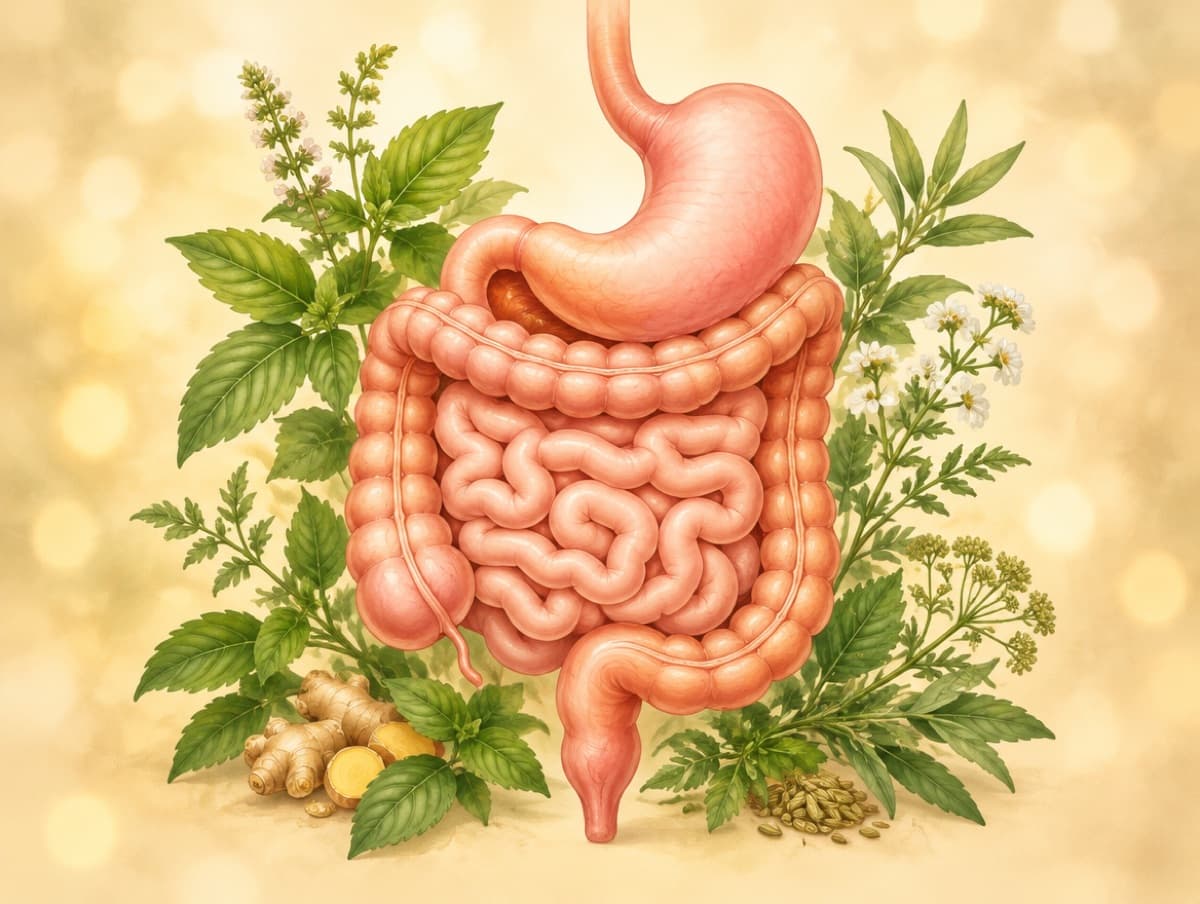
Ayurveda treats chronic constipation (Vibandha) as a disorder of Apana Vata and weak Agni rather than a shortage of laxatives. Dr. Bali corrects meal timing, fluid and fiber for your Dosha pattern, uses mild formulations such as Triphala or Haritaki to soften stool without dependence, and reserves Basti for entrenched cases. Many patients reduce laxative use over a few months.
01
Who this page is for
- Fewer than three bowel movements a week, or hard stool with straining most days, for longer than three months.
- Dependence on laxatives, enemas or fiber powders that work less well each year.
- Constipation that alternates with bloating, gas and a feeling of incomplete emptying.
- Piles or an anal fissure that keep coming back because the stool is never soft.
- Constipation in older adults or during long-term medication, once your prescriber has ruled out a drug cause.
02
How Dr. Bali approaches chronic constipation
Classical Ayurveda reads constipation as Vibandha, a failure of Apana Vata, the downward-moving force that governs elimination. Charaka places Agni at the center: when digestion is weak, food is not fully processed, stool forms dry and heavy, and Vata dries it further. Laxatives push the stool through but do nothing for the Agni or the Vata, which is why they lose effect and the bowel grows more sluggish.
Dr. Bali reads each case by Dosha. Vata-type constipation is dry, pellet-like stool with gas and cramping; Pitta-type is irregular with heat, burning and loose spells; Kapha-type is heavy, slow and sticky with lethargy after meals. Age, travel, low fluid intake, late dinners and a suppressed urge all shift the pattern. The reading sets the diet, the formulation and whether Basti is needed.
Classical reference · Vibandha
Charaka's Grahani chapter sets out Agni as the root of digestion and of every disorder that follows from its weakness, including dry, delayed or incomplete stool. The Vatakalakaliya chapter describes Vata as the force that moves everything in the body, with Apana Vata responsible for the downward passage of stool, urine and wind. Treatment therefore corrects Agni and settles Vata rather than forcing the bowel.
Charaka Samhita, Chikitsa Sthana, chapter 15 (Grahani Chikitsa); Sutrasthana, chapter 12 (Vatakalakaliya)
What the assessment looks at
- Stool form, frequency, straining, and whether the urge is felt at all or habitually suppressed.
- Agni: appetite, bloating after meals, coating on the tongue, and how quickly food is digested.
- Diet and routine: meal timing, fluid intake, fiber sources, late dinners and hours spent sitting.
- Medicines that slow the bowel, including iron, painkillers and some antidepressants.
- Nadi and Prakriti, to separate a Vata constitution from a temporary Vata disturbance.
When to see a doctor locally first
Constipation that begins suddenly after the age of 50, blood in the stool, unexplained weight loss, severe abdominal pain with vomiting, no stool or wind for several days, or a family history of bowel cancer need a local doctor and, usually, a colonoscopy before any Ayurvedic treatment. Dr. Bali will ask about these first.
03
What treatment may include
- 01
Diet and meal timing
A daily eating pattern set for your Dosha: warm cooked food, adequate fat, fiber from sources that suit your digestion, and fluid spread through the day rather than taken all at once at night.
- 02
Mild formulations
Triphala or Haritaki at night in a dose set for you, chosen to make the stool soft and regular without cramping and without dependence, dispensed with a certificate of analysis.
- 03
Restoring Agni
Warm digestive spices in cooking and, where Agni is weak, formulations with Musta or Amalaki to improve digestion before any bowel formulation is increased.
- 04
Settling Vata
Warm oil massage (Abhyanga) to the abdomen, a fixed waking and sleeping time, and simple breathing practice to calm the Vata that dries the bowel.
- 05
Basti where constipation is entrenched
A short course of medicated oil and decoction enemas (Basti), the principal Vata therapy in Ayurveda, for long-standing cases. Given at the clinic in Chandigarh under supervision.
- 06
Follow-up and tapering
A review at four to six weeks to adjust dose and diet, then a planned taper of any laxative you have been using. Online patients are followed by video with formulations shipped to them.
The combination is set after assessment, not before. Dr. Bali does not recommend the same protocol for every patient with the same diagnosis.
04
Formulations, shipping and the law
Formulations Dr. Bali prescribes are dispensed in India and shipped to patients abroad by tracked courier, typically within 7 to 14 days. Each parcel carries an itemised invoice, an ingredient declaration and the batch certificate of analysis. Patients in India receive them by courier within 2 to 4 days, or collect them at the Chandigarh clinic.
- Every batch is tested by an independent laboratory for identity, heavy metals, pesticides and microbial contamination. The certificate ships with the parcel and is emailed to you.
- Mineral-based classical preparations (Bhasma) are not shipped internationally. Dr. Bali prescribes plant-based formulations for patients abroad.
- Shipments stay within a three-month supply so they clear customs as personal-use supplements. Country-specific rules are on each country page.
- In-clinic procedures such as Basti, Ksharasutra and full Panchakarma are given in Chandigarh; the assessment, diet and formulations can be managed by video.
- Consultation fees are confirmed at booking. Formulation costs are quoted before anything is dispensed.
Dr. Bali is licensed to practise Ayurveda in India. For patients abroad, an online consultation is an Ayurvedic assessment with guidance on diet, routine and classical formulations; it does not replace your local doctor, and prescribed medication is never stopped without the prescriber's agreement.
05
Frequently asked questions
Can Ayurveda treat chronic constipation without laxatives?
In most cases the aim is exactly that. Laxatives are tapered, not stopped overnight, while diet, meal timing and a mild formulation such as Triphala take over. Where the bowel has been sluggish for years, a course of Basti in Chandigarh may be needed first. Dr. Bali will say at the first consultation which route your case needs.
How long does Ayurvedic treatment for constipation take?
Stool usually softens within one to two weeks of correcting diet and timing. Regular, unforced bowel movements and a taper off laxatives typically take two to three months. Long-standing cases with Basti take a little longer, and the daily routine continues after the formulations stop.
Is Triphala safe to take every day?
At the right dose, yes. Triphala is a mild formulation of three fruits and is taken nightly for months in classical practice. The dose matters: too much causes loose stool and cramping, too little does nothing. Dr. Bali sets it for you and reviews it, and it is not intended to be taken indefinitely without review.
Can I consult for constipation online from the USA or the UK?
Yes. Assessment, diet correction and formulations such as Triphala are managed by video consultation, with plant-based formulations shipped to you with customs paperwork and a certificate of analysis. Only Basti requires a visit to Chandigarh, and most online patients do not need it.
What is the best Ayurvedic medicine for constipation?
There is no single best medicine, because dry Vata constipation, hot Pitta constipation and heavy Kapha constipation call for different formulations. Triphala and Haritaki are the usual starting points, sometimes with Musta or Amalaki for digestion. The combination is set after assessment, not before.
Why does my constipation come back when I stop the medicine?
Because the medicine was moving the stool without changing the Agni or the Vata that produced it. The Ayurvedic plan puts most of its weight on diet, meal timing, fluid and routine so that the bowel works on its own, and the formulation is tapered once it does.
Does Ayurveda help constipation with IBS?
Constipation-type IBS is treated along the same lines, with more attention to Vata, gas and cramping, and to the stress and irregular eating that drive it. Dr. Bali treats the digestion as a whole rather than the constipation on its own. See the IBS page for the full approach.
What does treatment cost?
Consultation fees are confirmed when you book and depend on the consultation type. Formulation costs depend on the plan and are quoted before anything is dispensed, so there are no surprises after the consultation.

Written and reviewed by
Dr. Arvinder Singh Bali, BAMS
22+ years of clinical practice · 3,00,000+ patients · Government Ayurvedic College, Punjab
Dr. Arvinder Singh Bali is a BAMS qualified classical Ayurvedic physician with over 22 years of clinical practice in Chandigarh, Punjab, India, who has treated 3,00,000+ patients and provides online Ayurvedic consultations through Calmvida to patients in the USA, Canada, UK, Australia, UAE, Russia and Uzbekistan.
Last updated 3 September 2026
Consult Dr. Bali about chronic constipation.
In-clinic in Chandigarh or by secure video from anywhere. Bring your reports and a note of what you have already tried.